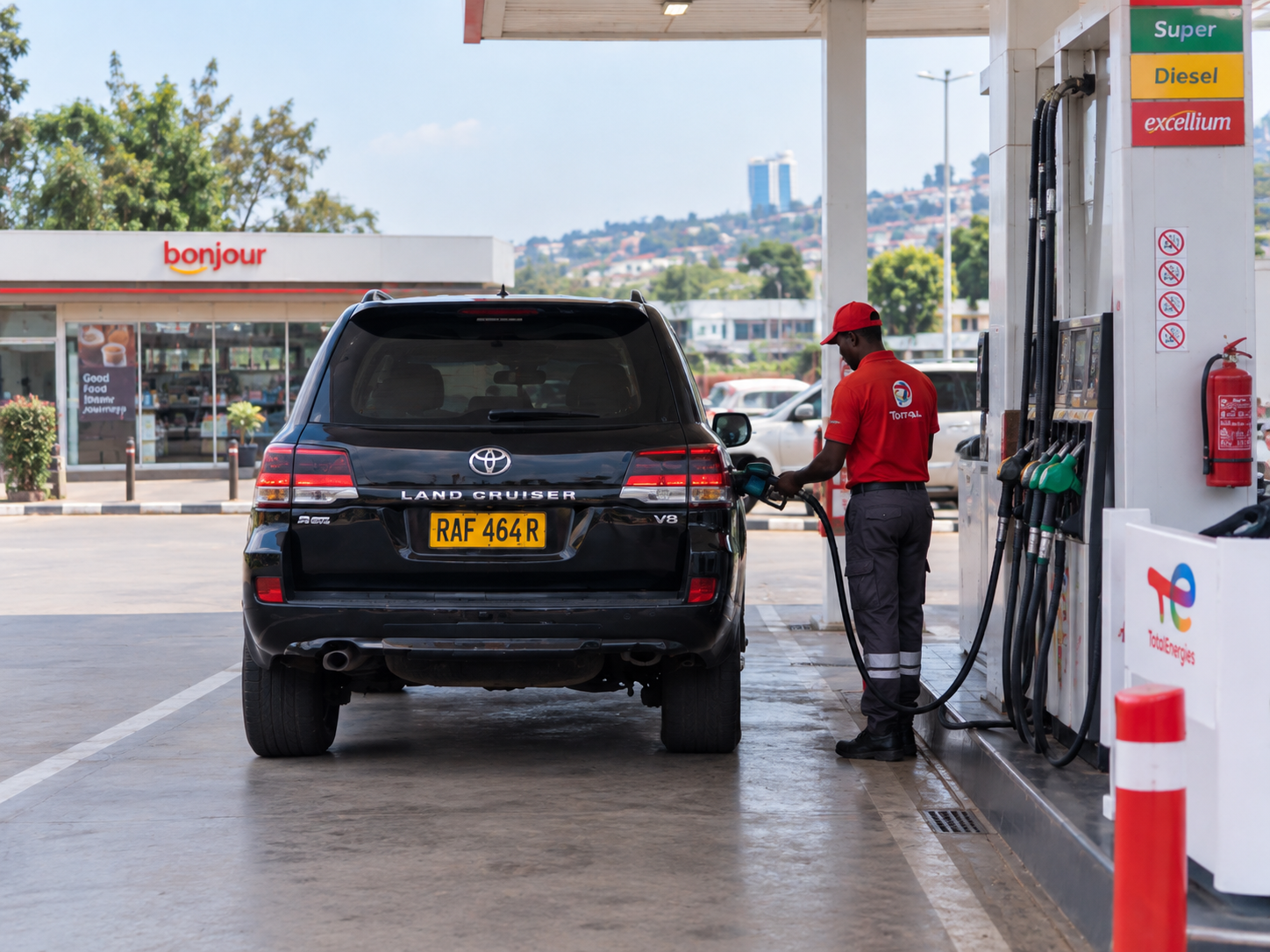
Fuel is almost always the highest cost a self-drive traveler underestimates in Rwanda. The daily rental rate is easy to compare between companies; the fuel bill for a week of driving through hills, national parks, and long highway stretches is not something most travelers calculate in advance, and it can add up to a meaningful share of the total trip cost.
This guide explains how Rwanda's fuel pricing actually works, what current prices look like, how to estimate what your specific route will cost, and what to check in your rental agreement's fuel policy before you sign.
How Fuel Pricing Works in Rwanda
Unlike countries where fuel prices vary station to station, Rwanda's fuel prices are set centrally by the Rwanda Utilities Regulatory Authority (RURA), which reviews and adjusts the maximum retail pump price on a regular basis in response to international oil markets and exchange rates. This means the price of petrol or diesel is essentially the same at any station across the country on a given day, whether you're filling up in central Kigali or a small town near a national park.
It also means prices can move meaningfully between one month and the next. Rwanda saw substantial fuel price increases during 2026, driven in large part by global oil market disruption, and RURA revised pump prices upward more than once during the year. Because of this, any fuel price quoted in an article like this one should be treated as a snapshot, not a fixed number. Always check the current RURA-regulated price before you travel, through a source such as Auto24.rw's fuel price tracker or current local news, rather than relying solely on older articles or search results.
Current Fuel Prices (Reference Point)
As a dated reference point, RURA set the maximum retail pump price effective from June 2026 at approximately:
| Fuel type | Price per litre (RWF) |
|---|---|
| Petrol | Around 2,930 to 2,940 RWF |
| Diesel | Around 2,920 to 2,930 RWF |
At typical exchange rates, this works out to roughly US$2.10 to US$2.30 per litre for either fuel type, though the exact dollar figure will shift with the exchange rate at the time of your trip. These prices followed a series of increases earlier in 2026, connected to volatility in global crude oil markets. Given how often this figure has moved this year, confirm the current price before finalizing your fuel budget.
Petrol or Diesel: Know What Your Rental Vehicle Uses
This sounds obvious, but it is one of the most common and costly mistakes at the pump, particularly for visitors unfamiliar with the vehicle. Putting the wrong fuel into a vehicle, especially petrol into a diesel engine, can cause serious and expensive damage.
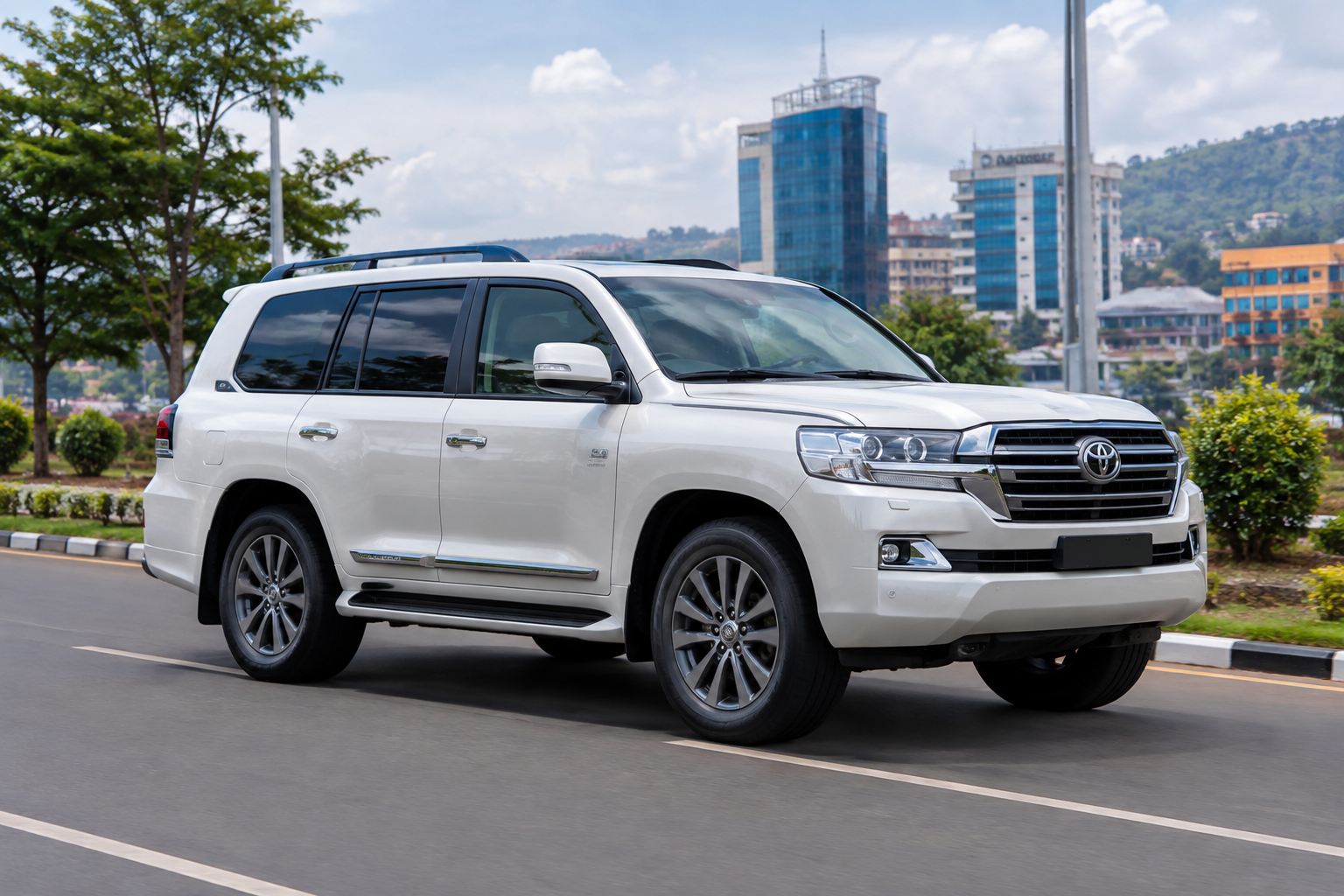
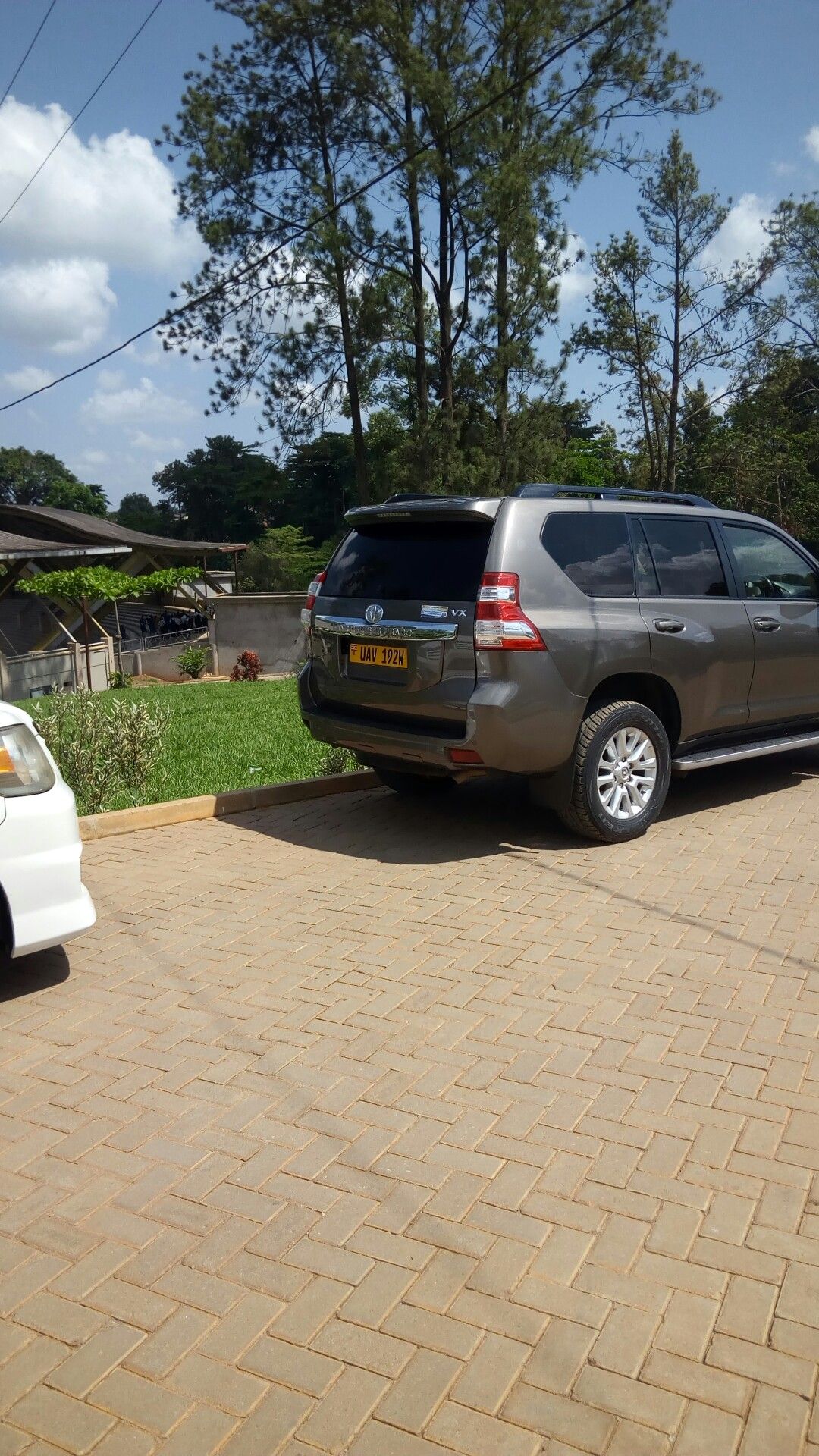
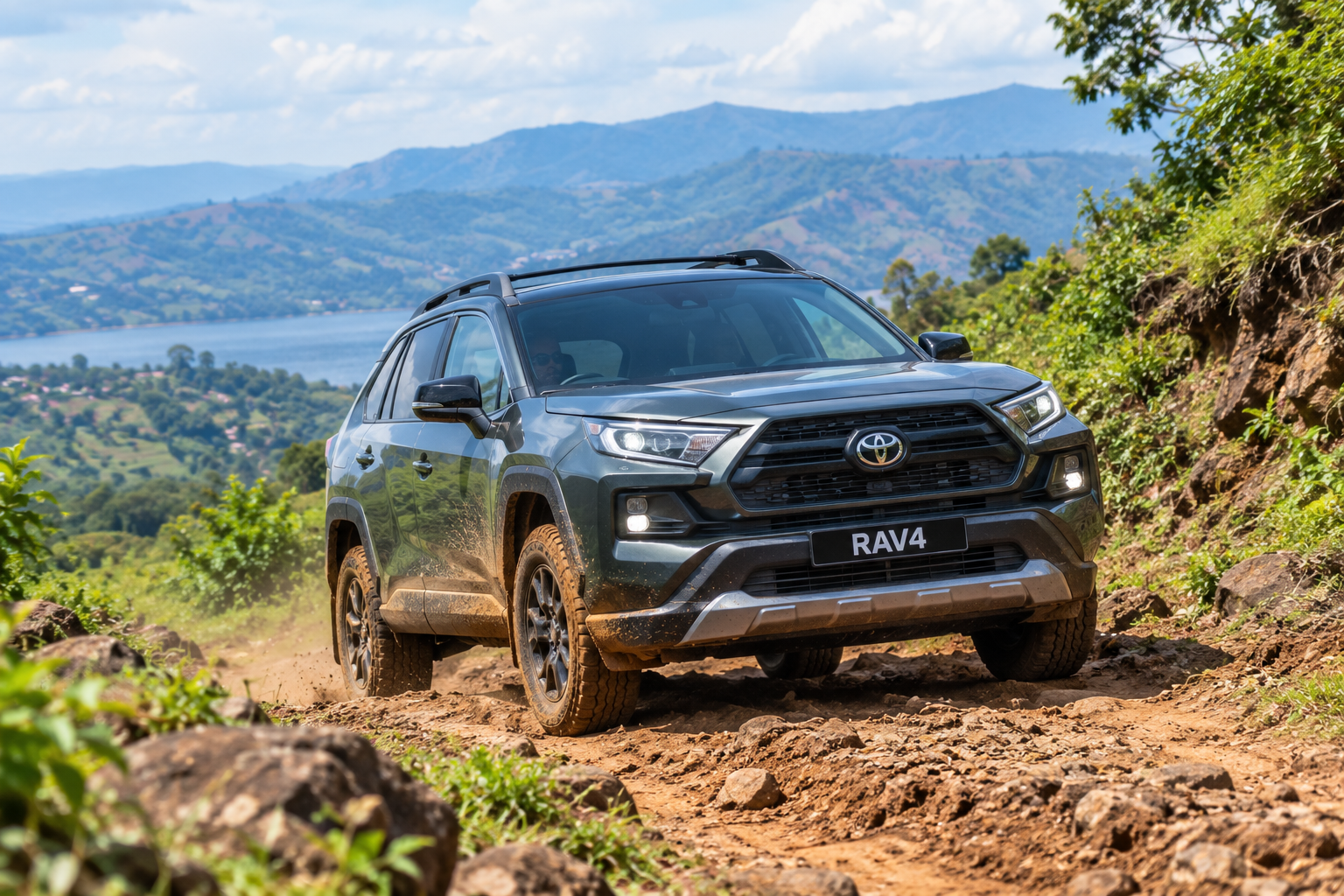
Always confirm the fuel type directly with your rental company at handover, and note it clearly, since many of Rwanda's popular 4x4s, including diesel variants of the Land Cruiser, Prado and Hilux, run on diesel, while compact SUVs like the RAV4 are typically petrol. Don't assume based on the vehicle type alone; ask.
Estimating Your Fuel Budget
Fuel cost depends on three things: your vehicle's consumption, your total distance, and the current price per litre. As a general guide:
| Vehicle type | Approximate consumption | Notes |
|---|---|---|
| Toyota RAV4 (petrol) | Around 8 to 10 litres per 100 km | Efficient for highway driving |
| Toyota Prado / Fortuner (diesel) | Around 9 to 11 litres per 100 km | Slightly higher off-road |
| Toyota Land Cruiser (diesel) | Around 12 to 15 litres per 100 km | Higher consumption, especially off-road |
Worked example: a round trip from Kigali to Volcanoes National Park and back is roughly 210 km. In a RAV4 at around 9 litres per 100 km, that's about 19 litres, which at a price of around 2,930 RWF per litre works out to roughly 55,000 to 56,000 RWF (approximately US$40 to US$45) in fuel for the round trip alone, before any driving once you arrive.
For a longer, multi-stop itinerary, such as our self-drive Rwanda road trip guide, covering Kigali, Akagera, Musanze and Lake Kivu, total driving distance can easily exceed 700 to 800 km, so budget fuel as a genuine line item, not an afterthought, particularly if you're driving a larger 4x4.
Where to Fill Up while driving in Rwanda
Fuel stations are reliable in Kigali and along the country's main highways and larger towns, with established networks including brands such as Total and others operating widely. Availability becomes less predictable in smaller towns and near remote park entrances, so plan around these known gaps:
- Heading to Volcanoes National Park: fill up in Kigali before departing; stations are also available in Musanze.
- Heading to Akagera National Park: fuel is not reliably available inside or immediately around the park; fill up in Kigali or Kayonza before the final stretch.
- Heading to Lake Kivu: stations are available in Musanze and in the main Lake Kivu towns themselves, such as Rubavu.
- Heading to Nyungwe Forest: fill up in Kigali and again in Huye, since the final stretch has fewer reliable options.
See our route-specific guides, including Kigali to Akagera and Kigali to Nyungwe, for more detail on each drive.
Payment at the Pump
Cash in Rwandan francs is accepted everywhere and remains the most reliable payment method, particularly outside Kigali. Card payments are increasingly accepted at major stations in the capital and larger towns, but coverage is inconsistent in rural areas, so carry enough cash for fuel stops on any longer trip, especially through less-developed routes.
Understanding Your Rental Agreement's Fuel Policy
Fuel costs interact directly with how your rental company structures its fuel policy, and this is worth reading closely before you sign:
- Full-to-full is the standard and fairest arrangement: you receive the car full and return it full, paying only for the fuel you actually use.
- Prepaid fuel arrangements, where you pay for a full tank upfront and return the car empty, can work out worse for you unless you're certain you'll use nearly the full tank, since unused fuel is rarely refunded.
- A partial tank policy with unclear terms is worth avoiding, or at minimum clarifying in writing, since ambiguity here is a common source of disputes at drop-off.
Confirm the fuel policy in writing as part of your quote, alongside insurance, mileage and deposit terms. See our affordable car rental Rwanda guide for the fuller list of costs worth comparing across quotes.
Fuel Efficiency Tips for Your Rwanda Road Trip
- Drive at a steady pace. Rwanda's 60 km/h general speed limit and hilly terrain already encourage smoother driving, which helps efficiency.
- Avoid unnecessary idling, particularly at longer checkpoint stops.
- Keep tyres properly inflated, since underinflated tyres increase fuel consumption. Check this during your pickup inspection.
- Plan your fuel stops around known towns, rather than assuming you'll find a station when you need one on a rural stretch.
- Choose the right vehicle for your route. A RAV4 uses meaningfully less fuel than a Land Cruiser over a multi-day trip meaningfully; only pay for the larger vehicle's consumption if you genuinely need its capability. See our Toyota RAV4 and Toyota Prado rental guides to compare.
Frequently Asked Questions
How much does fuel cost in Rwanda? Fuel prices are set centrally by RURA and apply nationwide. As of a June 2026 adjustment, both petrol and diesel were priced at roughly 2,920 to 2,940 RWF per litre, though this figure changes periodically, so confirm the current price before you travel.
Is fuel included in car rental prices in Rwanda? Usually not. Most rentals operate on a full-to-full fuel policy, where you pay for the fuel you use and return the car with a full tank.
Does my rental car use petrol or diesel? It depends on the specific vehicle. Confirm this directly with your rental company at handover; don't assume based on the model alone.
How much fuel will I need for a Rwanda road trip? It depends on your vehicle and total distance, but as a guide, a round trip from Kigali to Volcanoes National Park in a RAV4 uses roughly 19 litres. A longer multi-park itinerary can use well over 60 to 80 litres in total.
Where can I fill up on a Rwanda road trip? Fuel is reliable in Kigali, Musanze, Huye and other main towns. Fill up before approaching more remote areas, such as the final stretch to Akagera or Nyungwe.
Why do Rwanda fuel prices change so often? Prices are reviewed periodically by RURA in response to international oil markets and exchange rates. Rwanda saw several price increases during 2026 linked to global oil market volatility.
Can I pay for fuel by card in Rwanda? At major stations in Kigali and larger towns, often yes. In rural areas, cash is the more reliable option.
Plan Your Fuel Budget With Confidence
Understanding fuel costs upfront means no surprises at the pump or at drop-off. Tell us your planned route and vehicle preference, and we'll help you estimate a realistic total cost for your trip.
Contact Car Hire in Rwanda for a vehicle recommendation and fuel-policy details, or browse the fleet.