If it's your first trip to Rwanda, renting a car can feel like one more thing to figure out on top of permits, packing, and planning your itinerary. The good news is that car rental in Rwanda is genuinely straightforward compared to many countries in the region the paperwork is simple, the road network is one of the best-maintained in East Africa, and most rental companies are used to dealing with first-time international visitors.
This guide covers everything you need to know before booking: what documents you'll need, how much to budget, which vehicle to choose, and what to expect once you're on the road.
Do You Need a Rental Car in Rwanda?
Before getting into logistics, it's worth asking whether self-drive is actually the right fit for your trip. Rwanda is compact roughly the size of the US state of Maryland which means most major attractions are within a single day's drive of Kigali. That makes it genuinely feasible to see gorilla trekking in Volcanoes National Park, chimpanzee tracking in Nyungwe Forest, and a safari in Akagera all on one self-planned road trip, something that's much harder in larger countries.
That said, self-drive isn't the only option. Many first-time visitors opt for a rental with a driver-guide, which removes the pressure of navigating unfamiliar roads, dealing with checkpoints, and figuring out rural junctions on your own. If this is your first time in the country, or your itinerary includes remote park roads or the Congo Nile Trail, a driver-guide is worth strongly considering you can always switch to self-drive on a future trip once you're more familiar with the country.
Documents You'll Need to Rent a Car
For a self-drive rental as a foreign visitor, you'll typically need:
- A valid driving license from your home country. Most rental companies accept this on its own for visitors staying under three months, as long as it's printed in Latin script (English or French). Licenses in non-Latin scripts, such as Arabic, Chinese, or Russian, usually need to be paired with an International Driving Permit.
- An International Driving Permit (IDP). Not always strictly mandatory, but strongly recommended and often preferred by rental companies and police checkpoints, since it provides an official translation of your license details. It's easiest to arrange one through your home country's motoring association before you travel.
- A valid passport, generally with at least six months of remaining validity.
- A credit card for the security deposit. Most companies hold a refundable deposit on a card rather than accepting cash.
Minimum age requirements typically sit around 23, with most companies also expecting at least one to two years of driving experience not usually a problem for visitors who've held a license since their teens, but worth confirming with your specific rental company since requirements vary.
If you're staying in Rwanda longer than the foreign-license grace period (commonly cited as around 90 days), you'll need to apply for a Rwandan driving license through the Rwanda Transport Development Agency to continue driving legally.
How Much Does Car Rental Cost in Rwanda?
Pricing depends heavily on vehicle type, rental duration, and whether you're self-driving or hiring a driver. As a general guide:
- Compact sedans and city cars: The most affordable option, suited to Kigali and paved highway routes.
- Compact SUVs (Toyota RAV4 or similar): A step up in comfort and capability, good for a mix of city driving and moderate rural routes.
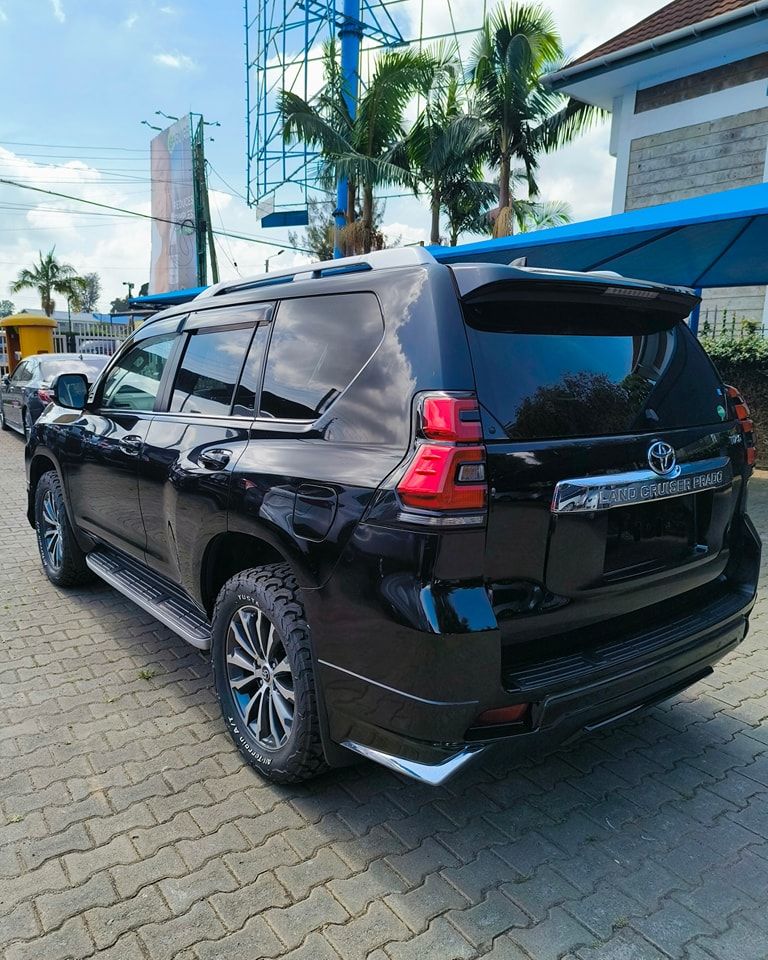
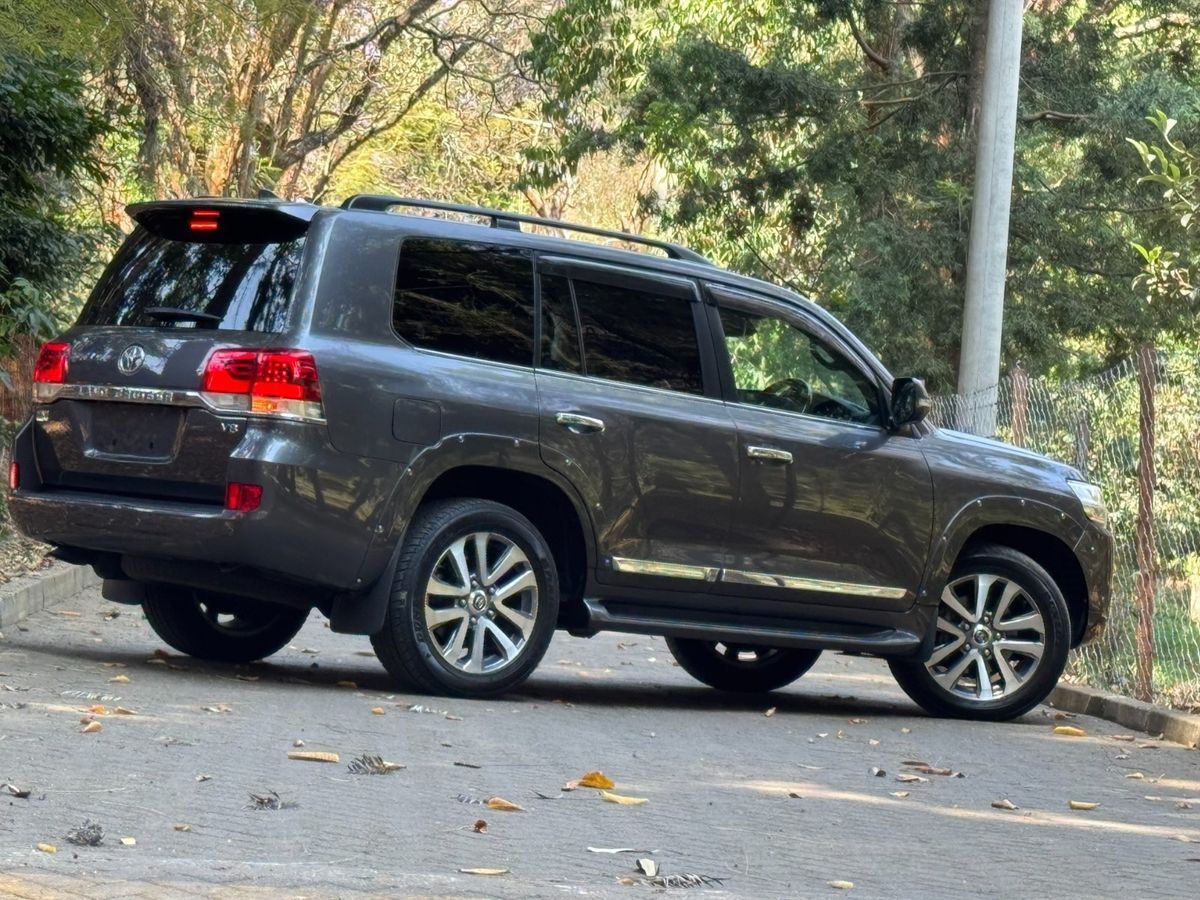
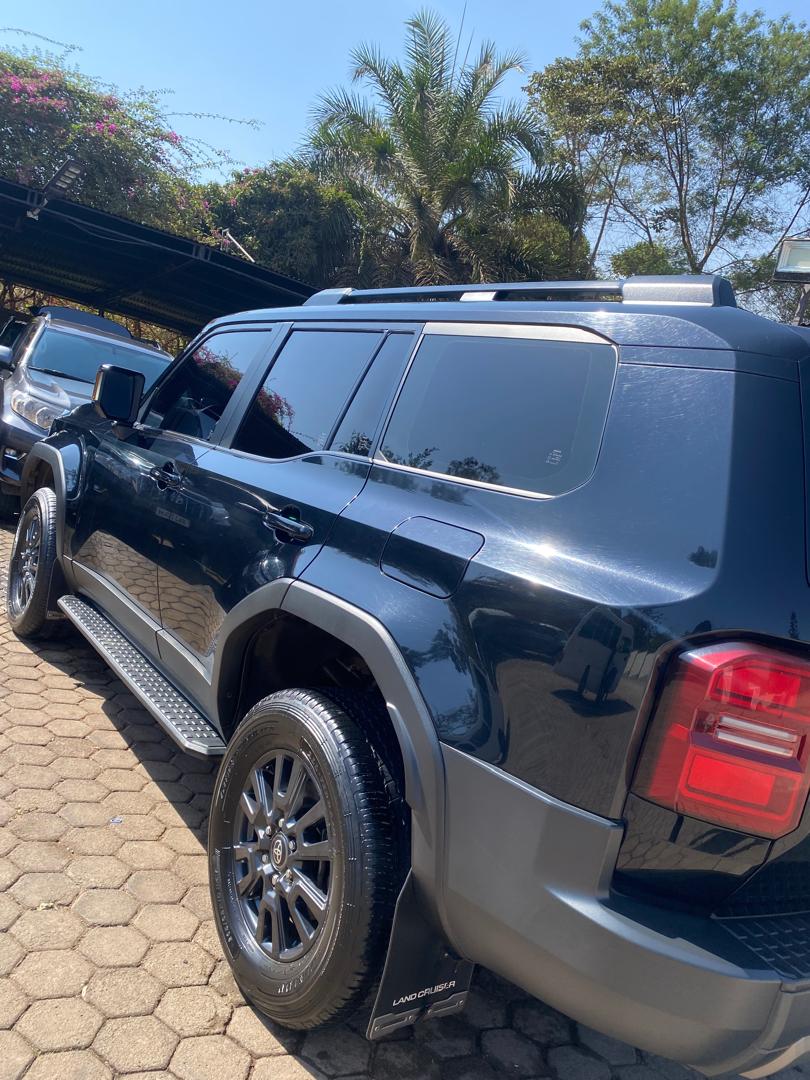
- 4×4 SUVs (Toyota Land Cruiser and similar): The most expensive category, but essential if your trip includes national parks, the Congo Nile Trail, or rural areas, especially during the rainy season.
Rates typically drop the longer you rent, so if you're planning a multi-week trip, ask about weekly or extended rates rather than booking day by day. It's also worth clarifying upfront whether quoted prices include insurance, unlimited mileage, and a full tank of fuel, since these vary between providers and can meaningfully change the total cost.
Choosing the Right Vehicle for Your Itinerary
Your vehicle choice should match your itinerary, not just your budget:
Staying mainly in Kigali: A standard sedan or compact SUV is perfectly adequate. Kigali's roads are well-paved and well-signed.
Day trips to Musanze, Rubavu, or Huye: These routes run on good tarmac highways, so a sedan or compact SUV will manage fine, though a 4×4 gives you more flexibility for detours off the main road.
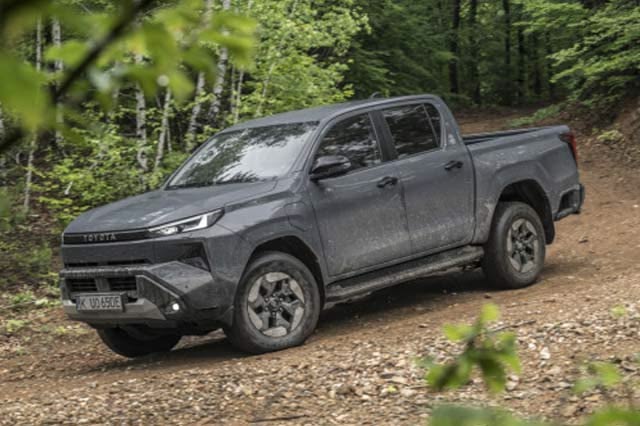
Gorilla trekking, chimpanzee tracking, or Akagera safari: A 4×4 is strongly recommended. Park roads and trailhead access routes are often gravel or dirt, and a proper 4×4 handles these far more comfortably and safely than a standard SUV.
Congo Nile Trail or other rural, off-the-beaten-path routes: A 4×4 isn't optional here; much of this terrain is rough, steep, and unpaved, and a sedan simply won't cope.
If you're unsure, many first-time visitors default to a 4×4 for the whole trip simply for flexibility and peace of mind, even if part of the route doesn't strictly require it.
What to Expect on Rwandan Roads
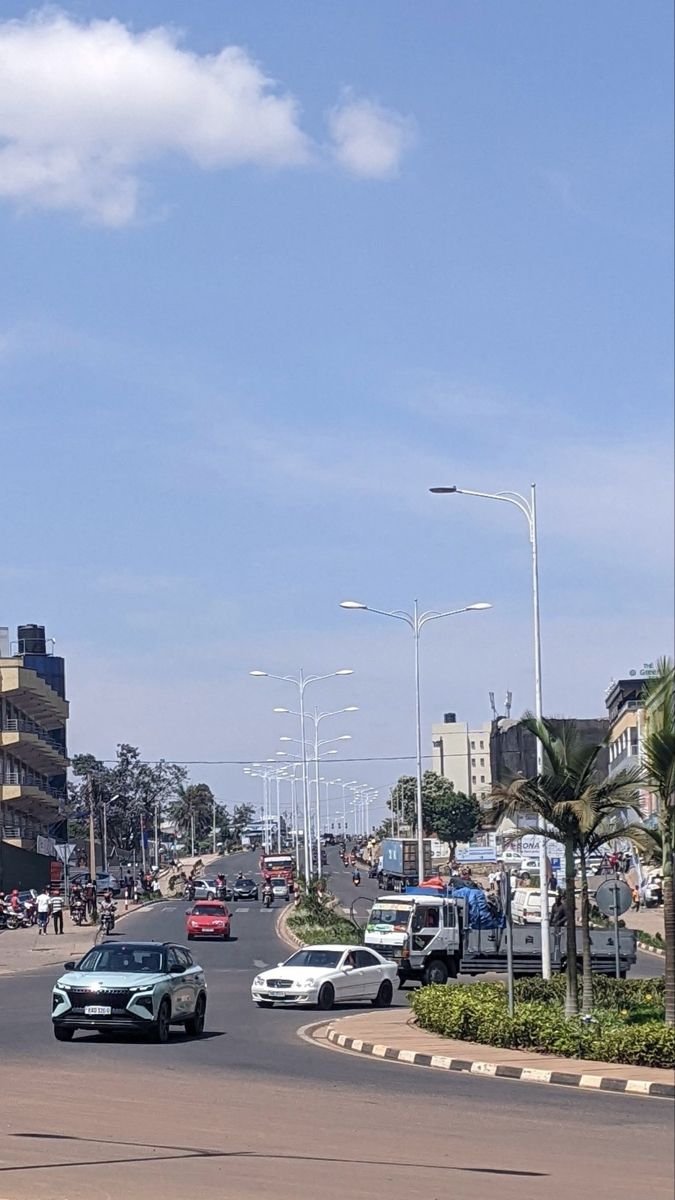
Rwanda's main highways connecting Kigali to major destinations are tarmacked and generally in good condition, with clear signage and well-organized roundabouts, particularly in the capital. Once you leave the main routes, though, expect narrower roads, occasional potholes, and unpaved stretches, especially in rural districts and around national parks.
A few things to keep in mind as a first-time driver in the country:
- Watch for pedestrians, cyclists, and livestock, particularly outside urban areas, where roads often double as walkways.
- Avoid night driving where possible. Street lighting is limited outside city centers, and visibility of pedestrians and cyclists after dark is a real concern.
- Motorcycle taxis ("motos") are everywhere and can weave through traffic, so stay alert, especially in and around Kigali.
- Speed limits are enforced strictly, with speed cameras increasingly common on major routes; stick to posted limits rather than relying on general expectations from home.
- Seasonal timing matters. Dry seasons (June–September and December–February) offer the easiest driving conditions, especially on unpaved rural and park roads, while the rainy seasons (March–May and October–November) can make some routes considerably harder going.
Booking Tips for First-Time Visitors
Book ahead during peak season. June through September and December through February are Rwanda's busiest tourist months, and demand for quality vehicles, particularly 4×4s, can tighten quickly. Booking a few weeks ahead gives you a better selection and often better rates.
Confirm airport pickup and drop-off. Many rental companies offer pickup directly from Kigali International Airport, which is worth arranging in advance so you're not figuring out transport on arrival.
Inspect the vehicle before you drive off. Check tires (including the spare), fluid levels, lights, and any extras like a GPS unit or rooftop tent if you've rented one. Take photos of the vehicle's condition before you leave the lot, and make sure any existing damage is noted on the rental agreement.
Read the fuel and mileage policy carefully. Most rentals in Rwanda run on a full-to-full fuel policy, meaning you return the car with a full tank, and many include unlimited mileage, but confirm both before signing, since terms vary between companies.
Ask about insurance coverage in detail. Third-party insurance is a legal requirement, but comprehensive coverage covering theft, accident damage, and breakdown offers real peace of mind, especially for visitors unfamiliar with local roads and driving conditions.
Save local emergency and support contacts. Whichever company you rent from, make sure you have a working phone number for roadside assistance before you leave Kigali, particularly if your itinerary includes remote routes.
Self-Drive vs. Driver-Guide: Which Should First-Timers Choose?
There's no universally right answer, but a few questions can help you decide:
- Are you comfortable navigating unfamiliar roads and checkpoints on your own? If not, a driver-guide removes that pressure entirely.
- Does your itinerary include remote park roads or routes like the Congo Nile Trail? Local driving experience matters more here than on Rwanda's main highways.
- Do you want the flexibility to change plans spontaneously? Self-drive gives you that freedom in a way a fixed driver arrangement doesn't always allow.
- Is this a short trip focused mainly on Kigali and one or two nearby destinations? Self-drive is often simplest for straightforward, shorter itineraries.
Many visitors land on a hybrid approach: self-driving the well-maintained main highways between cities, and bringing in a local driver for park roads, remote routes, or occasional night transfers.
Final Thoughts
Renting a car in Rwanda as a first-time visitor is easier than most people expect; the documentation is simple, the road network is well developed, and rental companies are generally well set up to handle international travelers. The main decisions that matter are choosing the right vehicle for your actual itinerary, understanding what's included in your rental agreement, and planning around Rwanda's dry and rainy seasons. Get those right, and you'll have everything you need for a smooth, memorable road trip through the Land of a Thousand Hills.
Ready to book your Rwanda road trip? Browse our vehicle options from city-friendly sedans to rugged 4x4s ready for national parks and rural routes and get in touch if you'd like help choosing the right fit for your itinerary.