Established as Rwanda’s fourth national park in 2015 and officially designated a UNESCO Biosphere Reserve in 2020, Gishwati-Mukura National Park represents one of East Africa's most inspiring conservation success stories. Located in the elevated ridge of the Albertine Rift in western Rwanda, this montane forest ecosystem was once near total collapse due to deforestation, cattle ranching, and resettlement following the 1994 Genocide against the Tutsi. Today, intensive restoration efforts have transformed it into a thriving ecological sanctuary.
For international travellers seeking an authentic, off-the-beaten-track rainforest experience without the crowds of Volcanoes or Nyungwe, visiting Gishwati-Mukura National Park is an extraordinary addition to any Rwandan itinerary. Whether you are navigating the scenic mountain passes on a self-drive road trip or travelling with a dedicated driver-guide, this comprehensive travel guide provides all the practical insights, route details, and safari logistics you need.
Where is Gishwati-Mukura National Park Located and How to Reach It?
Gishwati-Mukura consists of two distinct, non-contiguous forest blocks connected by a wildlife corridor: the Gishwati Forest (approx. 1,439 hectares) in the north and the Mukura Forest (approx. 1,987 hectares) further south. Primary tourism activities, visitor infrastructure, and guided trails are currently concentrated in the Gishwati sector.
The park is situated along the high-altitude ridge overlooking Lake Kivu, spanning the districts of Rutsiro and Ngororero in the Western Province.
Driving Distance and Travel Times from Key Hubs
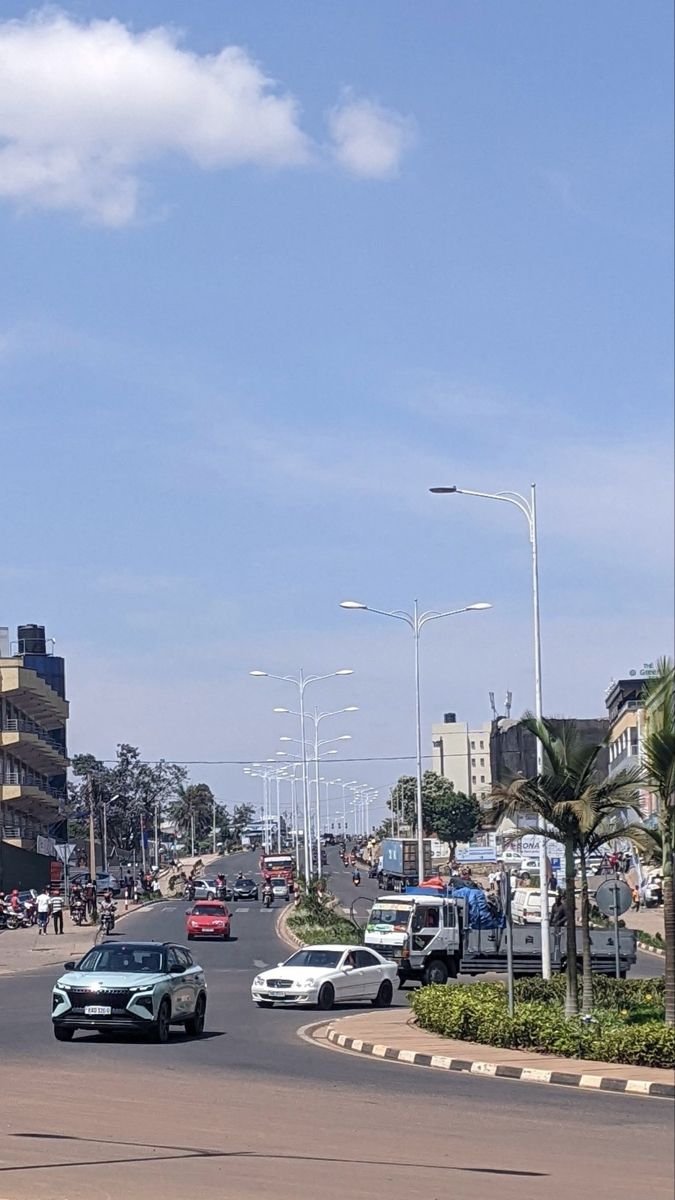
- From Kigali International Airport: Approximately 155 km (3.5 to 4 hours). The standard route follows the smooth, paved RN4 highway towards Musanze, branching west at Mukamira onto the RN11 towards Rubavu and Karongi.
- From Rubavu (Gisenyi): Approximately 45 km (1 to 1.5 hours) along the winding, scenic RN11 highway southwards.
- From Karongi (Kibuye): Approximately 85 km (2 to 2.5 hours) northwards along the paved Congo-Nile crest road.
- From Volcanoes National Park (Kinigi): Approximately 70 km (2 hours) via Musanze and Mukamira.
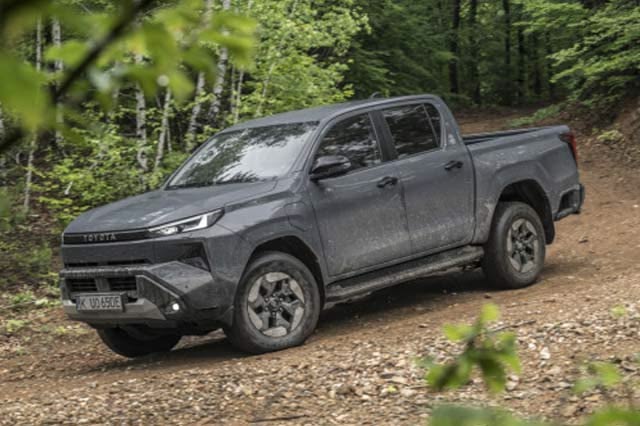
The main access node for visitors is the Gishwati Visitor Centre near Pfunda, located just off the paved main road. While the national highway connecting Musanze, Rubavu, and Karongi is fully asphalted, the final access tracks leading into the forest perimeter and lodge parking areas feature steep, unpaved gravel that can become slick during rain. Renting a sturdy four-wheel-drive vehicle from Car Hire in Rwanda ensures complete peace of mind when negotiating these changing gradients.
Key Wildlife Experience and Guided Activities in Gishwati Forest
Because Gishwati forest was restored relatively recently, the wildlife experience is intimate, wild, and exclusive. Unlike high-volume tourist sites, exploring Gishwati offers a genuine sense of wilderness exploration.
1. Chimpanzee Tracking
Gishwati is home to a habituated group of Eastern Chimpanzees (Pan troglodytes scoloni) numbering around 30 to 35 individuals. Chimpanzee tracking excursions depart early in the morning (around 06:00 AM) from the park headquarters. Treks can take between two to four hours depending on the movement of the troop across the steep terrain. Permits are significantly more affordable than gorilla permits, typically priced around $60 USD per person for international non-residents.
2. Golden Monkey and L’Hoest’s Monkey Trekking
In addition to chimpanzees, Gishwati protects thriving populations of Golden Monkeys (Cercopithecus kandti) and L’Hoest’s Monkeys (Cercopithecus lhoesti), alongside Black-and-White Colobus and Blue Monkeys. Watching these lively primates swing through the dense bamboo forest shoots offers exceptional photography opportunities.
3. Bird Watching Excursions
Recognised as an Important Bird Area (IBA), Gishwati-Mukura hosts over 230 recorded bird species, including 20 Albertine Rift endemics. Specialty species to spot with an expert park ranger include:
- Ruwenzori Turaco
- Purple-breasted Sunbird
- Red-throated Alethe
- Strange Weaver
- Stuhlmann’s Starling
4. Guided Nature & Waterfall Walks
The Umushwati Trail and the Kazeneza Waterfall Trail wind through lush tree-fern gullies, natural canopy sections, and past rushing mountain streams. The waterfall trail takes visitors into the heart of the forest to a secluded cascades hidden beneath primary canopy trees.
Choosing the Right Vehicle for Your Trip to Gishwati-Mukura
Navigating Rwanda’s high-altitude western province requires a reliable, well-maintained vehicle capable of handling sharp inclines, high humidity, and mountain weather conditions.
Recommended 4x4 Models
To ensure a safe and comfortable trip across the Albertine Rift terrain, we recommend selecting a proper 4WD setup:
- Toyota RAV4 4WD: Ideal for couples or solo travelers on a budget. It manages the paved highways from Kigali to Rubavu effortlessly and handles light off-road park access roads with ease.
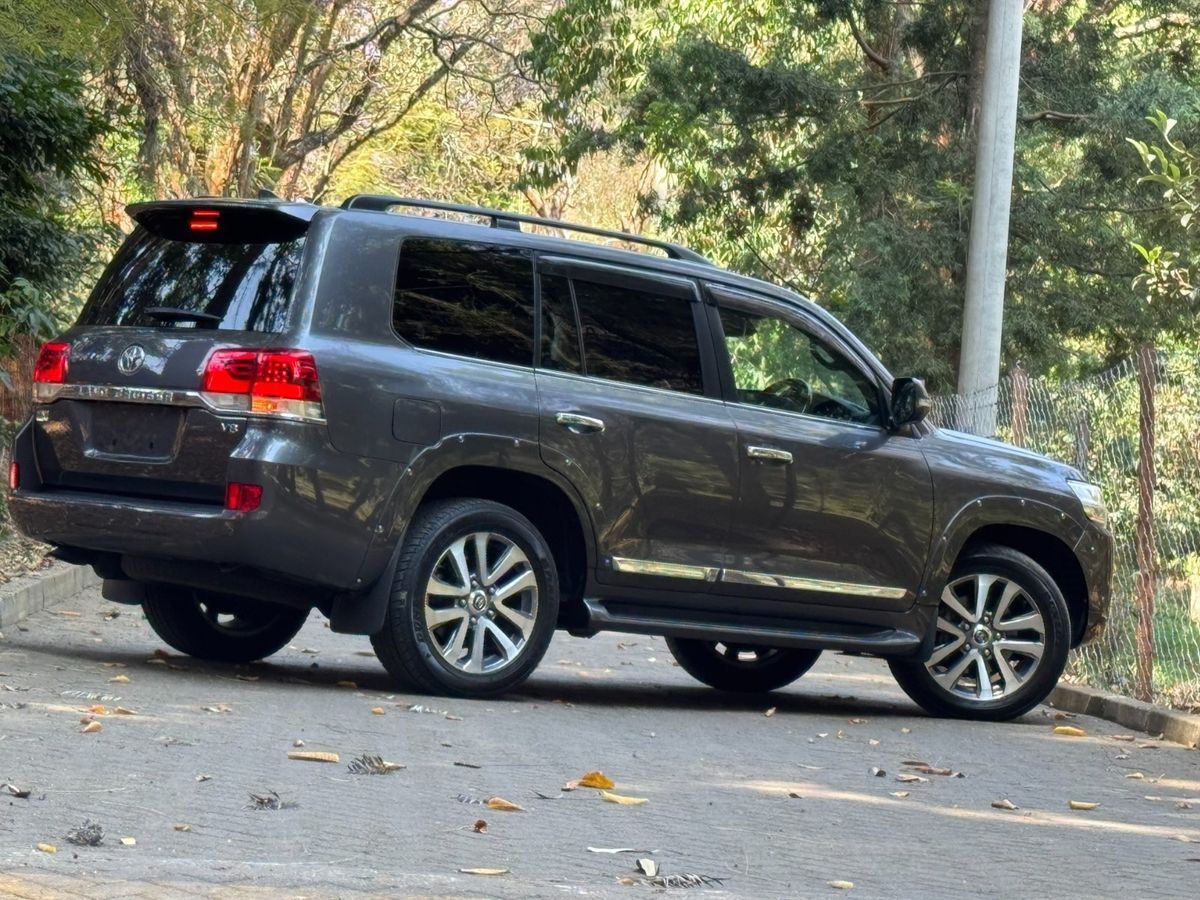
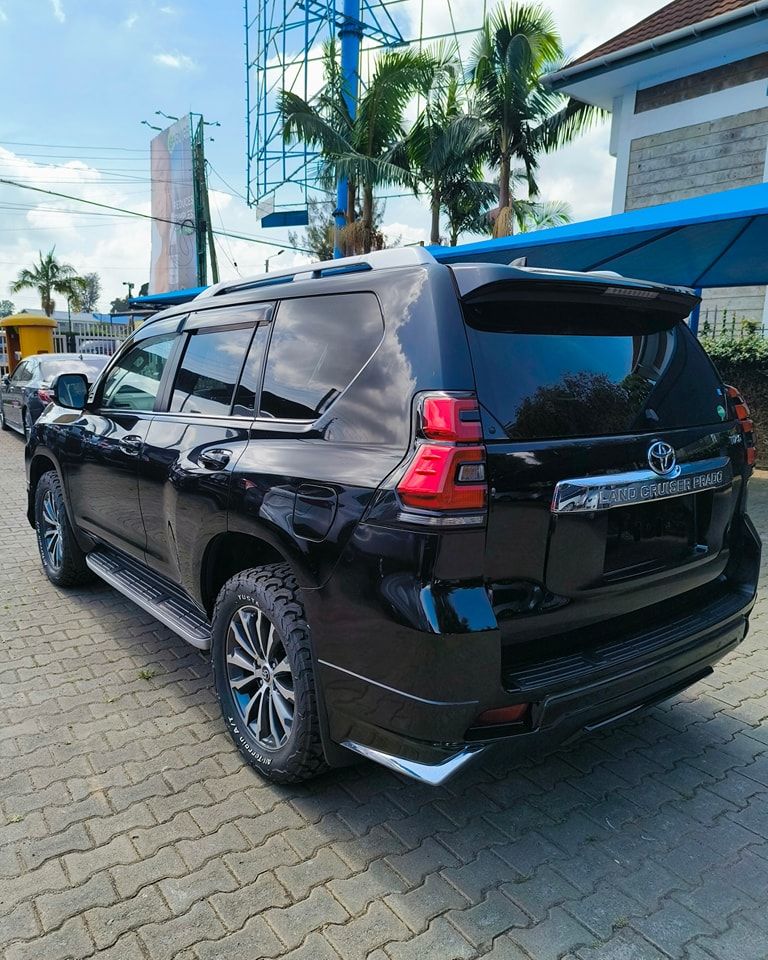
- Toyota Land Cruiser Prado (TX/TZ): The ultimate vehicle for exploring western Rwanda. Featuring high ground clearance, low-range 4WD capabilities, and spacious interiors for luggage and optics gear, it effortlessly negotiates steep gravel inclines.
- Land Cruiser Hardtop / Safari Extended: Recommended for photographers and larger groups requiring elevated seating positions and maximum rugged stability.
When booking your rental vehicle through Car Hire in Rwanda, you can choose between a budget-friendly self-drive option or hiring an experienced professional driver-guide fluent in English and French.
Best Time to Visit and Practical Travel Tips
Gishwati-Mukura can be visited year-round, but your experience will depend on seasonal rainfall patterns across the western highlands.
Seasons Overview
- Long Dry Season (June to September): Best for hiking and primate tracking. Trails are drier, less slippery, and mountain driving conditions are optimal.
- Short Dry Season (December to February): Another excellent window with warm weather, clear atmospheric views over Lake Kivu, and good trail conditions.
- Rainy Seasons (March to May & October to November): Lush, green scenery and prime birdwatching conditions as migratory species arrive. Expect muddy trail conditions; robust hiking boots and high-clearance 4x4 vehicles are mandatory during these months.
Essential Packing Checklist
- Sturdy, waterproof hiking boots with deep tread
- Long-sleeved lightweight shirts and trousers (to protect against stinging nettles)
- Quality rain jacket or poncho (mountain weather changes rapidly)
- Gaiters and gardening gloves for jungle treks
- Insect repellent and high-SPF sunscreen
- Refillable water bottle and high-energy trail snacks
Accommodation Options Near Gishwati-Mukura
Accommodation options inside the park boundary are deliberately low-impact to safeguard the restored environment:
- Gishwati Lodge (Luxury): An exclusive eco-lodge managed in partnership with Wilderness Safaris, featuring luxury chalets built on raised wooden platforms overlooking the canopy.
- Gishwati Research Station Guest House (Simple / Mid-range): Offers clean, basic rooms suitable for researchers, birdwatchers, and budget-conscious travelers. Prior booking is mandatory.
- Rubavu / Gisenyi Lakeside Hotels (1-hour drive away): Many visitors choose to stay along the shores of Lake Kivu in Rubavu (where options range from budget guesthouses to luxury lakeside resorts) and drive early in the morning to Gishwati for their activities.
Frequently Asked Questions
Do I need to book permits in advance to visit Gishwati-Mukura National Park?
Yes. All activities within the park, including chimpanzee tracking, monkey treks, and guided nature hikes, require permits issued by the Rwanda Development Board (RDB) or organized through local management. Because primate tracking permits are strictly limited per day to protect wildlife, advance booking (at least 2 to 4 weeks prior) is strongly advised.
Can I drive myself to Gishwati-Mukura National Park?
Absolutely. Rwanda features excellent, high-quality main roads, clear signage, and high personal safety standards, making self-driving a popular choice. Ensure you rent a reliable 4x4 vehicle to comfortably handle the final mountain climbs leading off the tarmac into the forest zone.
How does Gishwati compare to Nyungwe National Park?
Nyungwe is significantly larger, older, and features extensive infrastructure like the famous Canopy Walkway. However, Gishwati offers a far more exclusive, less crowded setting with a shorter driving distance from Kigali or Musanze. It is an ideal alternative for travellers seeking intimate wildlife encounters away from mainstream tourist trails.
Is a four-wheel-drive (4x4) vehicle strictly necessary?
While a standard 2WD sedan can cover the paved highway from Kigali to the main turnoff near Rubavu, a 4x4 vehicle is essential for navigating the steep dirt access tracks, unpaved lodge driveways, and forest perimeters—especially during the wet season when clay surfaces become slippery.
What are the entry fees and activity costs?
Guided nature walks and birding tours typically start from $40 to $50 USD per person, while chimpanzee tracking permits cost around $60 USD for international visitors. Prices are significantly lower than gorilla tracking permits in Volcanoes National Park, offering exceptional value for rainforest safaris.
Book Your Rwanda Safari Vehicle Today
Planning a trip to western Rwanda? Pair your journey to Gishwati-Mukura National Park with the ultimate freedom of a self-drive or chauffeur-driven vehicle. At Car Hire in Rwanda, we offer a modern fleet of fully equipped Toyota RAV4s, Land Cruiser Prados, and safari vehicles tailored for African road conditions. Contact our team in Kigali today to receive your custom vehicle quote and start planning your wilderness road trip!