Rwanda has become one of East Africa's most active hubs for humanitarian and development work, with international NGOs, UN agencies, and research organizations running projects across health, agriculture, education, and governance. Almost all of that work depends on one unglamorous but essential resource: reliable transport. For most organizations, a long-term SUV rental in Kigali makes more sense than buying vehicles outright, especially for projects running anywhere from a few months to a few years.
This guide covers what NGOs and development partners should know before signing a long-term rental agreement in Rwanda, from vehicle selection to contract terms, costs, and day-to-day logistics.
Why NGOs Choose Long-Term Rental Over Vehicle Ownership
Buying and registering vehicles in Rwanda involves import duties, registration, insurance setup, and ongoing maintenance responsibility, a significant administrative and financial burden for an organization whose core focus is program delivery, not fleet management. Long-term rental shifts that burden onto the rental provider, which typically means:
- Predictable monthly costs that are easy to budget and report against grant funding, instead of unpredictable repair and depreciation costs.
- No capital outlay. Renting avoids tying up project funds in a depreciating asset, which matters for organizations with fixed-term grants or project cycles.
- Maintenance and servicing included. Reputable rental providers handle routine servicing, technical inspections, and repairs, so your team isn't managing a garage relationship on top of their actual work.
- Flexibility as projects scale. You can add or remove vehicles as project phases change, without the sunk cost of owned assets sitting idle between phases.
- Simplified exit. When a project ends or moves regions, there's no vehicle to sell or dispose of; you simply return it.
For short assignments, daily or weekly rental works fine. But once a deployment stretches past a month or two, long-term rates almost always work out significantly cheaper per day, and come with more predictable service standards.
Choosing the Right Vehicle for NGO Field Work
The right vehicle depends heavily on where your team is working and what the work involves.
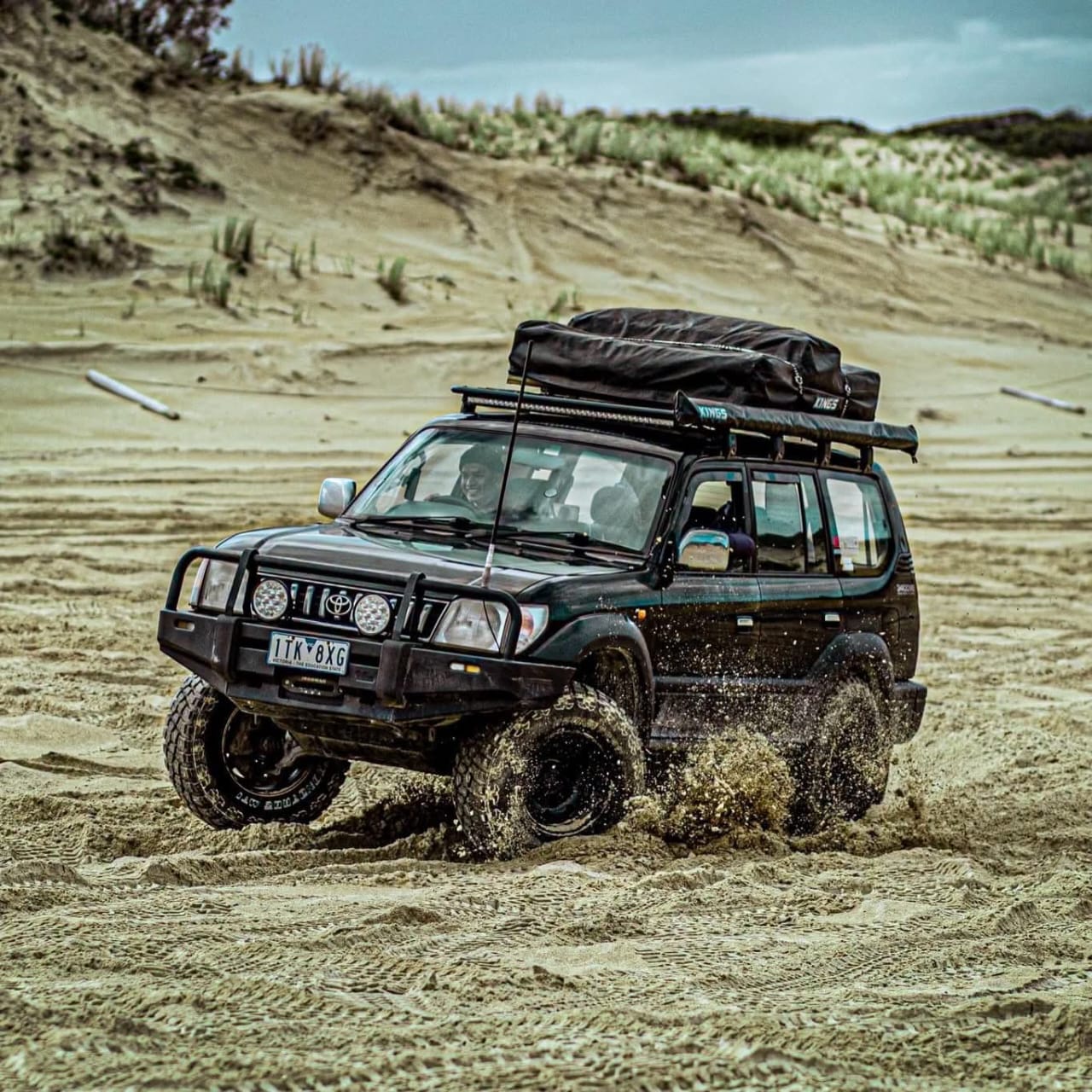
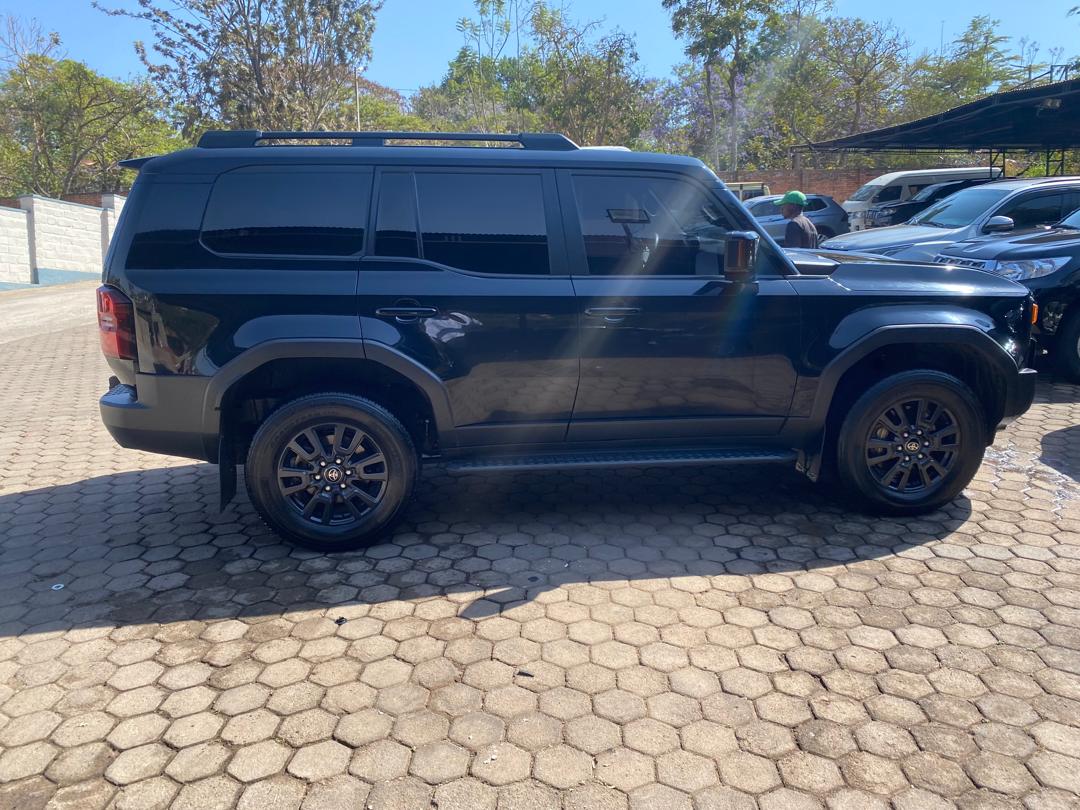
4×4 SUVs (Toyota Land Cruiser, Land Cruiser Prado, or similar): The standard choice for field operations outside Kigali. Rwanda's terrain includes steep, hilly, and sometimes unpaved rural roads, particularly during the rainy season, so genuine 4×4 capability, not just SUV styling, matters for reaching project sites reliably. These vehicles also tend to be the easiest to get serviced in provincial towns, since parts and mechanics familiar with them are widely available.
Compact SUVs (Toyota RAV4 or similar): A practical choice for staff who split time between Kigali city work and occasional trips to nearby districts on paved or well-maintained roads. They're more fuel-efficient and easier to park in Kigali than a full-size Land Cruiser, but less suited to remote or rough-terrain fieldwork.
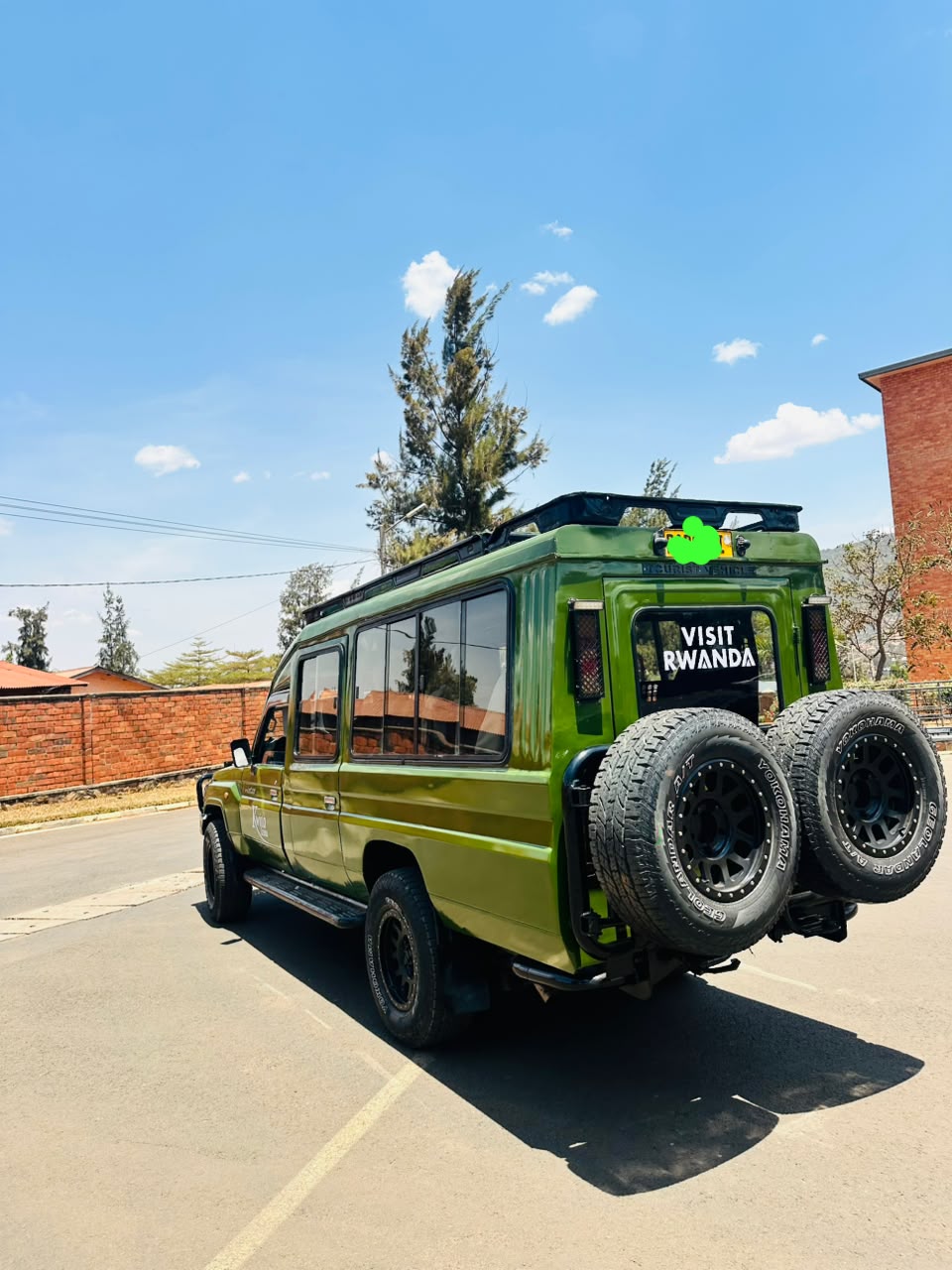
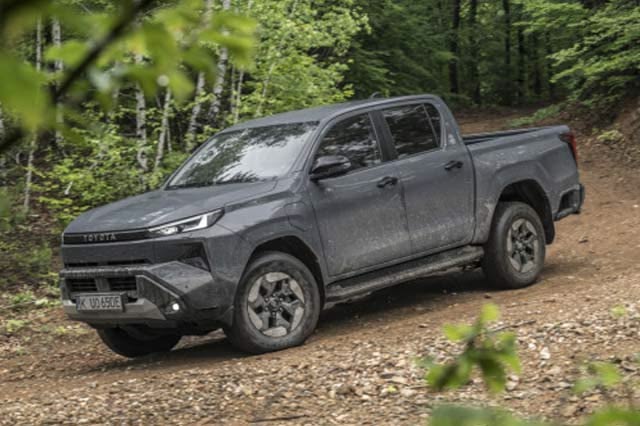
Minivans and pickups: Worth considering if your team regularly transports groups of staff, community members, or equipment and supplies rather than just two or three people. Some projects run a mixed fleet: a couple of 4x4s for field visits and a van for larger team transport, rather than a single vehicle type.
When comparing options, ask specifically about ground clearance, four-wheel-drive engagement (permanent vs. selectable), and how the vehicle has performed on the specific routes your project covers. A provider familiar with NGO logistics should be able to speak to this directly rather than giving a generic answer.
What to Look for in a Long-Term Rental Agreement
Long-term contracts function differently from a short daily rental, and it's worth being clear on the terms upfront:
Mileage and route allowances. Confirm whether the agreement includes unlimited mileage or a monthly cap, especially if your project involves frequent travel between Kigali and field sites in other provinces.
Maintenance and breakdown response. Ask what the provider's response time looks like if a vehicle breaks down while your team is in a rural district, not just in Kigali. A dedicated support line and a clear replacement-vehicle policy matter more for long-term contracts than for a one-week rental.
Insurance coverage. Rwanda requires third-party insurance by law, but for NGO work, particularly travel to remote areas, it's worth confirming what additional coverage is included, and what your organization's own liability exposure looks like if a vehicle is damaged or involved in an accident.
Driver arrangements. Decide early whether you need self-drive vehicles for staff with valid licenses, or vehicles with an assigned driver. Many NGOs prefer a driver-inclusive arrangement for field visits, both for local road knowledge and to keep international or national staff focused on program work rather than driving long rural routes themselves.
Fuel and running costs. Clarify whether fuel is included or billed separately, and how running costs are tracked; this matters for accurate project budgeting and donor reporting.
Contract flexibility. Development projects often shift in scope. Ask whether the agreement allows you to add, swap, or reduce vehicles as the project evolves, and what notice period applies for changes or early termination.
Procurement documentation. Most NGOs need formal quotations, invoices, and sometimes a signed service agreement to satisfy internal procurement and donor compliance requirements. Confirm the provider can supply proper documentation before you commit; this is often more of a sticking point with informal operators than with established rental companies.
Typical Duration and Pricing Structure
Long-term rentals in Kigali are generally priced on a monthly basis, with rates dropping the longer the commitment; a three-month lease typically costs less per day than a one-month lease, and annual or multi-year agreements often come with the best rates of all. Most providers set a practical minimum of around one month to qualify for long-term rates, with anything shorter falling under standard short-term daily or weekly pricing.
Since pricing varies by vehicle type, contract length, and whether a driver and fuel are included, it's worth requesting an itemized quote rather than a flat monthly figure, so you can see exactly what's covered and compare it fairly against other providers or against the cost of vehicle ownership for your specific project timeline.
Practical Considerations for Field Operations
Plan around Rwanda's seasons. Rwanda's dry seasons (June–September and December–February) are the easiest months for field travel on rural and unpaved roads, while the rainy seasons (March–May and October–November) can slow down travel to remote project sites considerably. If your project involves regular travel to rural districts, factor this into scheduling and vehicle selection; a genuine 4×4 becomes more important, not less, during the rainy months.
Communication and safety equipment. For teams traveling to remote areas, it's worth discussing with your provider whether vehicles come equipped with, or can be fitted with, basic safety essentials a spare tire in good condition, a first aid kit, and reliable roadside assistance contacts.
One-way and multi-region logistics. If your project has offices or field sites in multiple provinces, ask whether the provider supports vehicle drop-off or staff rotation between locations, rather than requiring every trip to start and end in Kigali.
Local driver knowledge. If you're hiring drivers rather than self-driving, prioritize experience with the specific districts your project covers. A driver who knows the difference between a well-maintained provincial road and a rough village track and the safest way to navigate both is a genuine asset for field logistics, not just a convenience.
A Simple Checklist Before You Sign
Before committing to a long-term SUV rental provider in Kigali, it's worth confirming:
- The vehicle type matches your actual field conditions, not just your budget
- Insurance coverage and liability terms are clearly documented
- Maintenance, servicing, and breakdown support are included and clearly defined
- Fuel, mileage, and driver arrangements are spelled out in the contract
- Proper invoicing and documentation are available for procurement and donor reporting
- The contract includes reasonable flexibility for project changes
- The provider has experience working with NGOs or development partners specifically, not just tourists
Final Thoughts
For NGOs running projects in Rwanda over multiple months or years, a long-term SUV rental in Kigali is almost always the more practical and cost-effective choice compared to vehicle ownership. The key is treating vehicle selection and contract terms with the same care you'd apply to any other project resource: matching the vehicle to your actual field conditions, understanding what's included in the price, and choosing a provider who understands the specific demands of humanitarian and development logistics rather than a purely tourist-focused operation.
Need a reliable long-term SUV rental for your organization's work in Rwanda? Get in touch with us to discuss your project's vehicle needs, timelines, and budget. We work with NGOs and development partners across Kigali and the provinces.