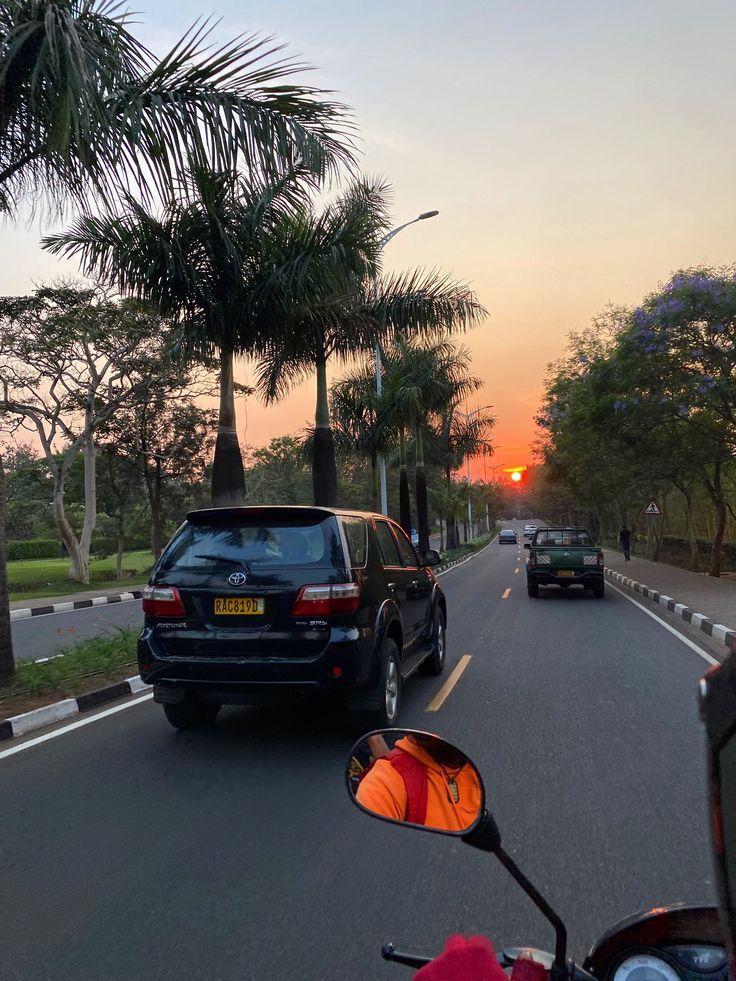
If you're planning a self-drive trip or booking a rental car for your holiday, understanding Rwanda's road conditions is one of the most useful things you can do before you land. Known as the "Land of a Thousand Hills," Rwanda has invested heavily in its road network over the past two decades, and the results show. Still, the country's mountainous terrain, seasonal rains, and mix of paved and unpaved routes mean road conditions vary widely depending on where you're headed.
This guide breaks down what to expect on Rwanda's roads in 2026, from the smooth highways linking major cities to the rougher tracks leading into national parks so you can plan your route, choose the right vehicle, and drive with confidence.
Overview: What Are Rwanda's Roads Like in 2026?
Rwanda's road network can be split into three broad categories:
- Major highways and city roads: paved, well-maintained, and connecting Kigali to key tourist destinations.
- Secondary and rural roads: a mix of tarmac and gravel, generally decent but with occasional rough patches.
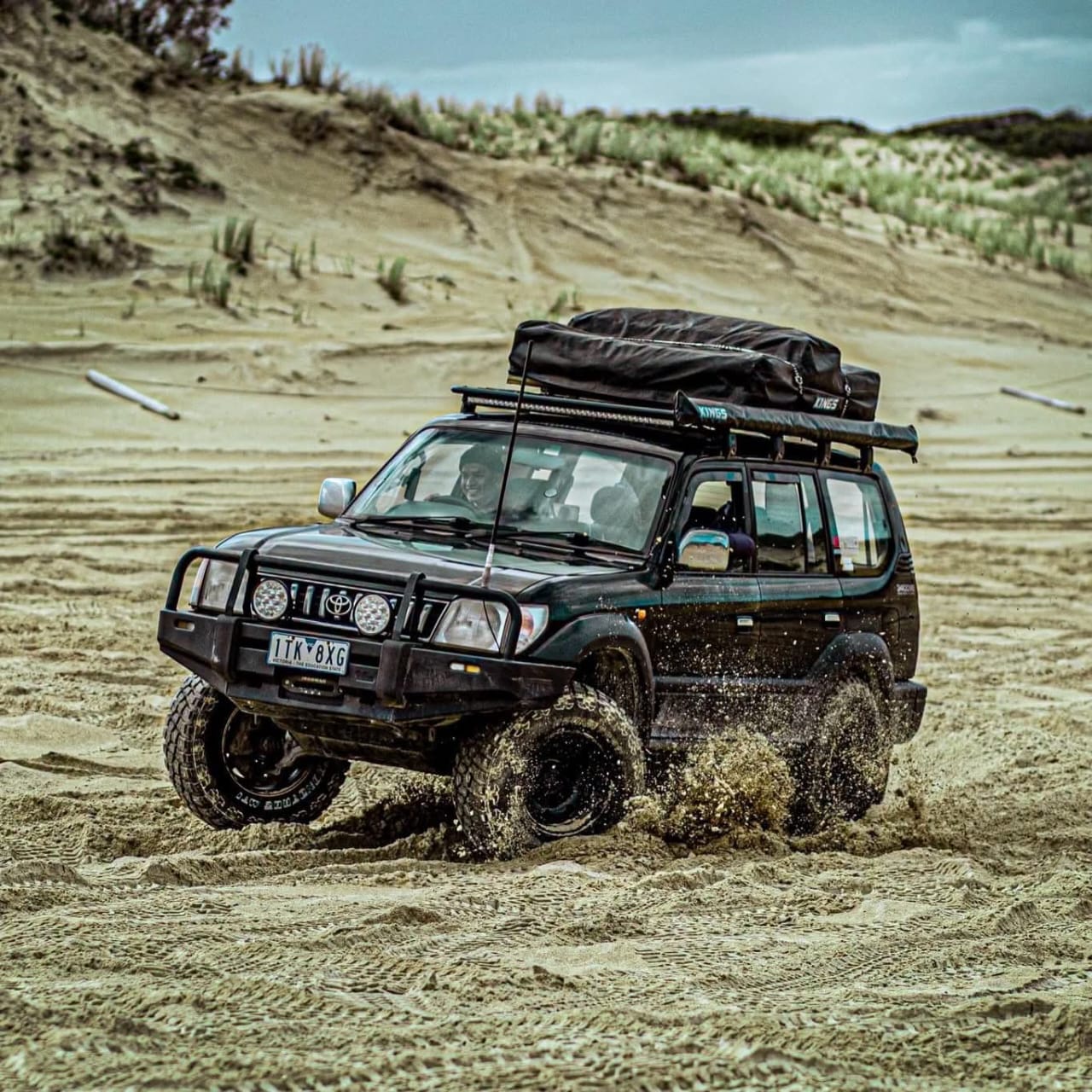
- Park and off-the-beaten-path roads: often unpaved, hilly, and best tackled with a 4×4.
Kigali itself has one of the best-organized road networks in East Africa, with clear signage, roundabouts, and generally smooth tarmac. However, rush-hour traffic jams do happen in the city center. Once you leave the capital, the picture becomes more mixed: main routes to popular destinations are typically tarmacked and well-kept, while rural and community roads narrow considerably and can include potholes or unpaved stretches.
Road Conditions on Popular Tourist Routes
Kigali to Musanze (Volcanoes National Park)
This is the route most visitors take for gorilla trekking, and it's widely considered one of the best in the country. The roughly 116-kilometer drive follows well-maintained tarmac through rolling hills and typically takes around 2.5 to 3 hours, traffic and stops included. Expect winding mountain sections with steep gradients as you approach Musanze, so drive attentively even though the surface itself is smooth.
Kigali to Akagera National Park
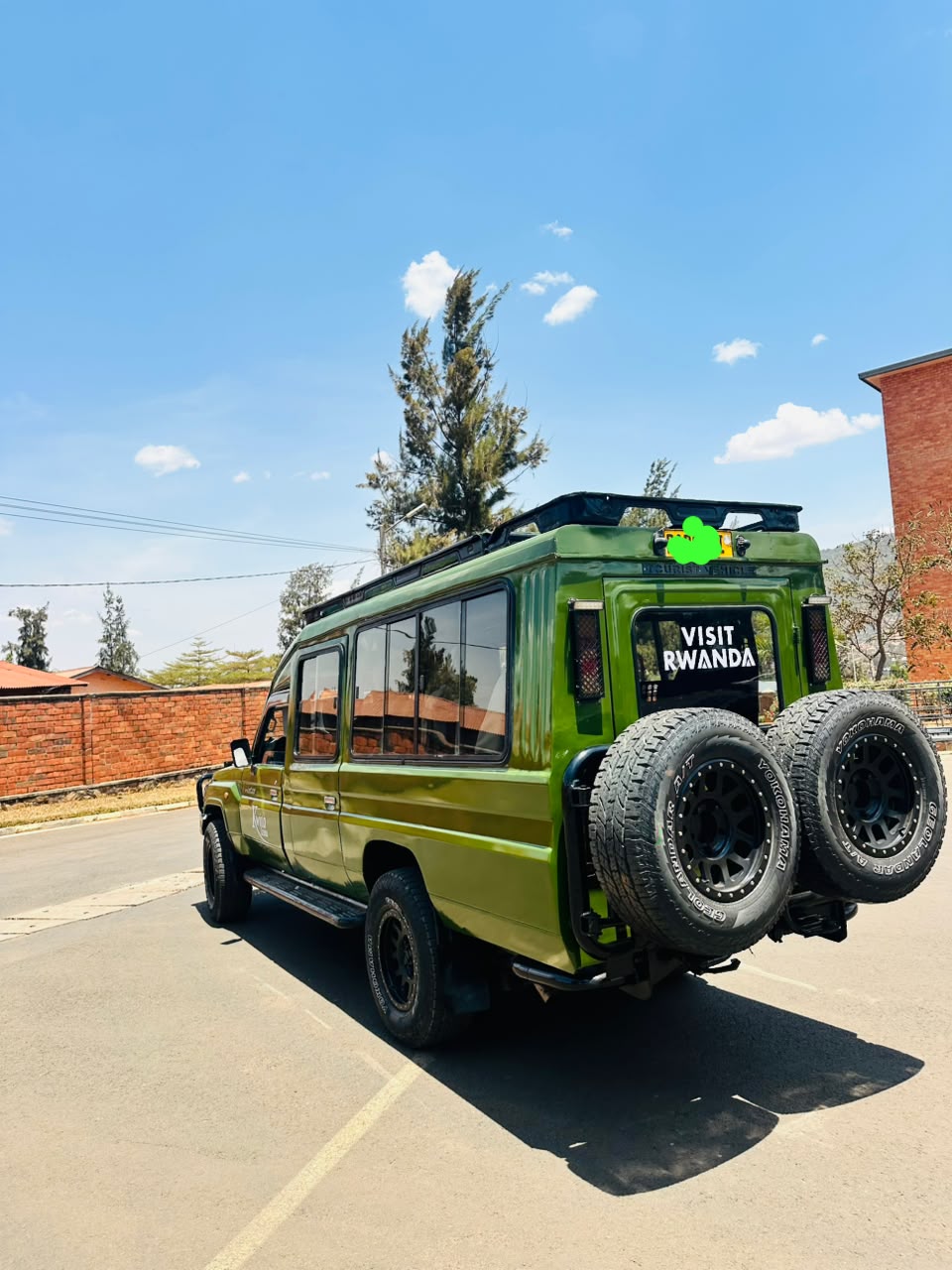
The route east to Akagera, Rwanda's only savannah park, covers about 110 kilometers on good tarmac and takes roughly 2.5 hours. This is one of the more straightforward drives in the country, though once you enter the park itself, expect gravel tracks that require slower, more careful driving a 4×4 is recommended for game drives.
Kigali to Huye, Rubavu, and Rwamagana
The highways linking Kigali to Huye (Butare), Rubavu (Gisenyi) on Lake Kivu, and Rwamagana are mostly tarmac and in good condition. As with most Rwandan roads, be prepared for winding mountain stretches and steep gradients rather than long, flat highway sections.
Kigali to Nyungwe Forest
At around 200 kilometers, this is one of the longer drives in the country and takes you through dramatic highland scenery. The road is largely paved, but it's also one of the more physically demanding drives due to constant curves, so budget extra time and take breaks if needed.
Rural and Off-the-Beaten-Path Roads
Away from the main tourist corridors, road quality drops noticeably. Secondary and rural roads are narrower, sometimes unpaved, and can include potholes, loose gravel, or eroded sections, especially after heavy rain. If your itinerary includes remote villages, smaller lodges, or off-grid destinations, a 4×4 vehicle isn't just a nice-to-have; it's often essential. Local guidance is also valuable in these areas, since rural roads can involve multiple forks and unmarked village junctions that aren't always reflected accurately on GPS apps.
Seasonal Impact on Rwanda Road Conditions
Rwanda's road conditions shift noticeably with the seasons, so timing your trip matters almost as much as your route.
- Dry seasons (June–August and December–February): These are the easiest months to drive in, with firmer road surfaces, better traction on park tracks, and the best conditions for gorilla trekking trails. This is also peak tourist season, so book rentals and permits early.
- Green/rainy seasons (March–May and October–November): Scenery is lush, and crowds are thinner, but rain can make unpaved park roads slippery and, in some cases, temporarily difficult to pass. Sticking to a 4×4 during these months is strongly advised, particularly if your route includes national parks or rural areas.
Common Road Hazards to Watch For
Even on well-maintained roads, a few recurring hazards are worth keeping in mind throughout Rwanda:
- Pedestrians and cyclists: Many roads, especially outside Kigali, have limited or no dedicated space for pedestrians, so people often walk along the roadway itself.
- Livestock: Cattle, goats, and other animals crossing rural roads are common, particularly near villages.
- Limited street lighting: Rural roads and even some city streets have minimal lighting after dark, which is one of the main reasons night driving is discouraged outside urban centers.
- Variable vehicle maintenance: Not all vehicles on Rwandan roads are well maintained, and some drive with dim or non-functioning headlights, so stay alert, especially at dusk.
- Traffic circles and junctions: Right-of-way isn't always strictly observed at roundabouts and intersections, so approach these with extra caution rather than assuming other drivers will yield.
Practical Tips for Driving in Rwanda
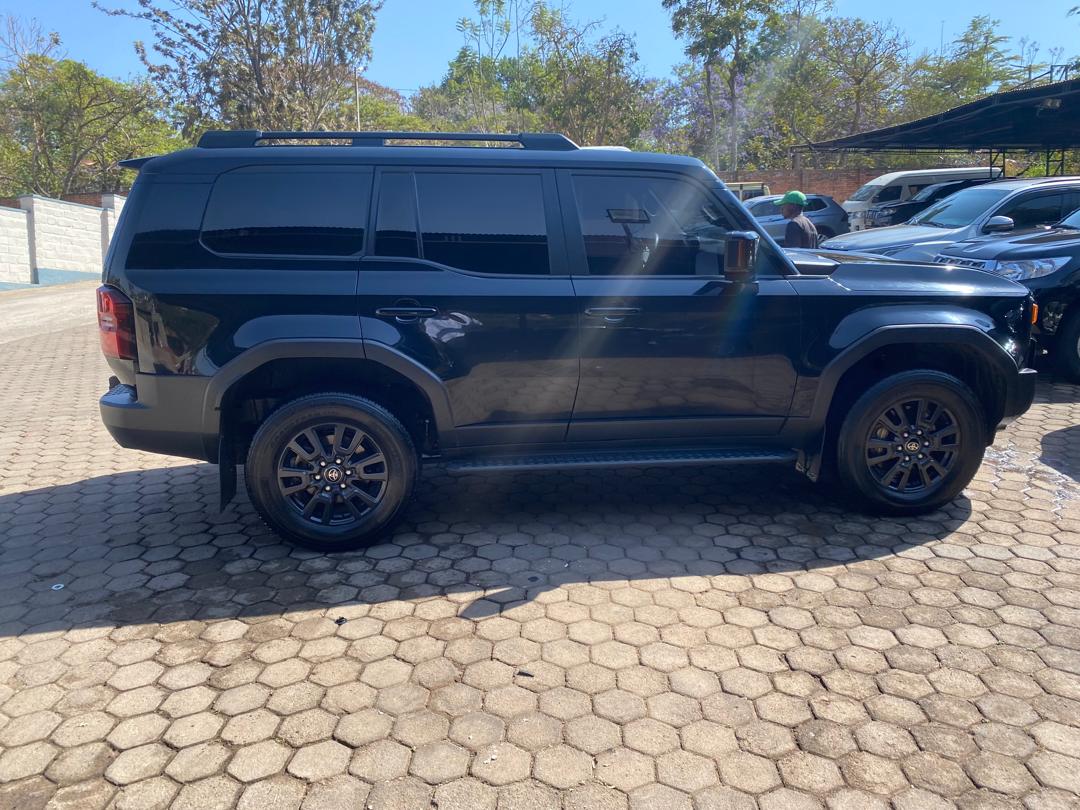
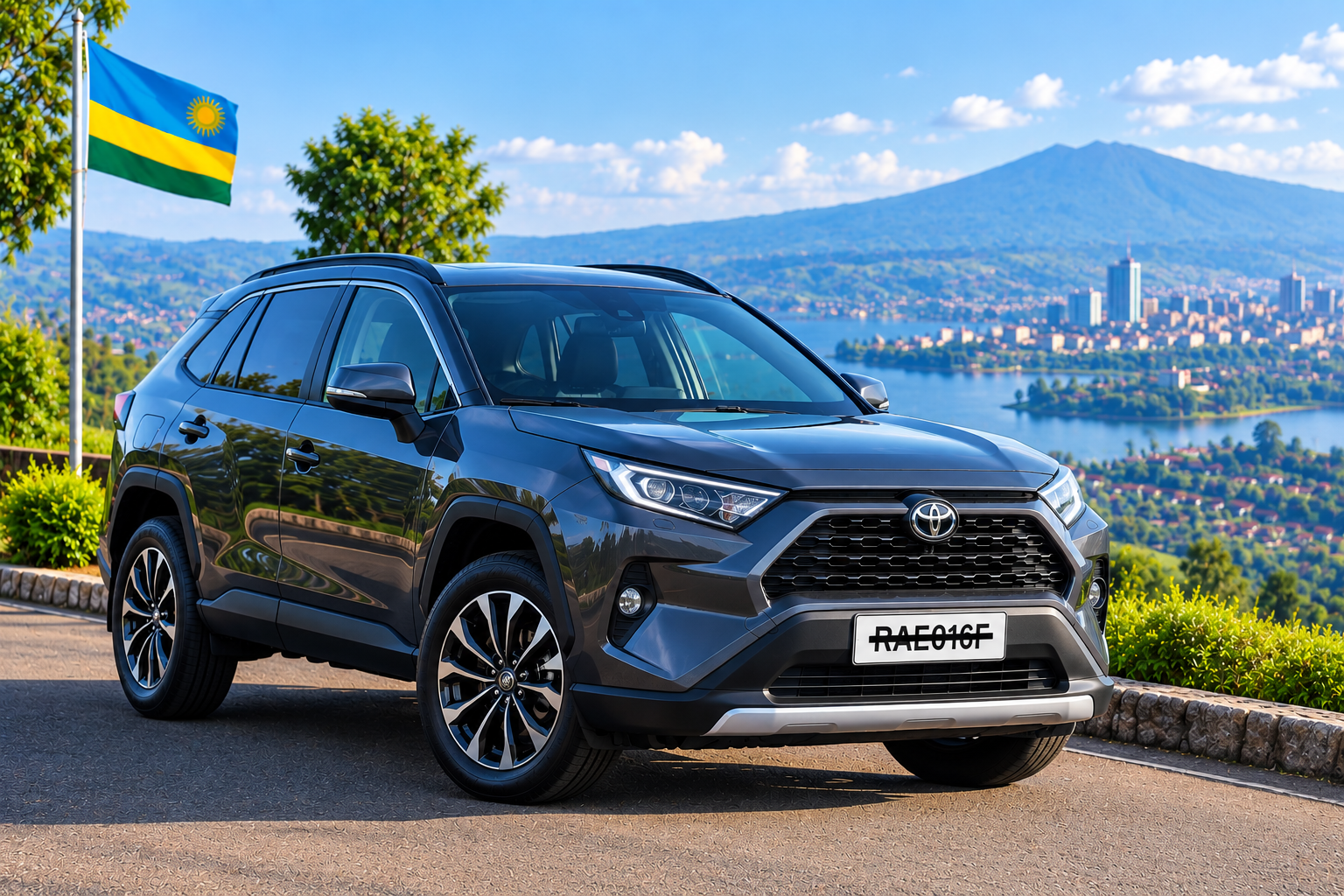
Choose the right vehicle. A standard sedan is usually fine for Kigali and the main tarmac highways, but a 4×4 is the safer choice if your trip includes national parks, rural lodges, or travel during the rainy season. Toyota and Nissan models are a practical pick, since spare parts for these brands are more widely available outside Kigali than for other makes.
Avoid night driving where possible. Main roads are generally in good shape, but reduced visibility, limited lighting, and the chance of encountering pedestrians, cyclists, or animals make daytime travel the safer option, especially outside major towns.
Respect speed limits. Speed limits are enforced fairly strictly: 60 km/h in urban areas, 70 km/h on rural roads, and 80 km/h on highways, with speed cameras increasingly common on major routes and fines that are substantial.
Carry your documents at all times. A valid driving license should always be with you, along with proof of third-party insurance, which is a legal requirement and covers damages if you're involved in an accident you're not at fault for.
Plan fuel stops on longer routes. Fuel stations are plentiful in cities and along main routes, and prices are regulated so they stay consistent nationwide. That said, it's still worth planning if you're heading to more remote areas, and carrying some cash since not every rural station accepts cards.
Download offline maps. Internet connectivity can be limited in remote and rural areas, so having offline maps or a physical map as backup will save you from getting stuck without navigation.
Build in extra time. Distances in Rwanda are short on paper; Kigali to Musanze is around 80 to 116 kilometers depending on the exact route, for example, but winding mountain roads, checkpoints, and photo stops mean journeys usually take longer than the distance alone suggests.
Self-Drive vs. Hiring a Driver
Independent self-drive travel is entirely possible in Rwanda, particularly around Kigali and the main tourism circuits, and many visitors enjoy the flexibility it offers. That said, tour operator vehicles and lodge-arranged transfers generally involve lower transport risk than informal transport options, and many travelers, especially first-timers, opt for a driver-guide for longer or more remote routes, where local knowledge of road conditions and village junctions makes a real difference.
If you're weighing the two options, consider a hybrid approach: self-drive on the well-maintained main highways between cities, and bring in a local driver or guide for park roads, rural detours, or night-time transfers.
Final Thoughts
Overall, Rwanda road conditions in 2026 continue to reflect the country's broader reputation for order and steady infrastructure investment: main highways connecting Kigali to Musanze, Rubavu, Huye, and Akagera are in good shape and easy to navigate, while rural and park roads still require a more cautious approach, the right vehicle, and some flexibility around the seasons. With a bit of planning, the right vehicle, sensible timing, and awareness of common hazards, driving in Rwanda is a genuinely rewarding way to experience the country's hills, forests, and lakeshores at your own pace.
Looking to rent a car for your trip? Browse our vehicle options suited to Rwanda's roads, from city-friendly sedans to rugged 4x4s for park and rural routes.