One of the first questions most travelers ask when planning a trip is the best time to visit Rwanda. The good news is that Rwanda's high altitude and equatorial location give it a mild, fairly consistent climate year-round, so there's no single "wrong" time to go. That said, the country does have distinct dry and rainy seasons that affect everything from gorilla trekking conditions to road quality, crowd levels, and pricing. This guide breaks each season down so you can choose the timing that fits your priorities, whether that's perfect trekking weather, fewer crowds, or better value.
Rwanda's Climate at a Glance
Thanks to its elevation and proximity to the equator, Rwanda enjoys a temperate climate for a country sitting almost on the equator, with daytime temperatures typically in a comfortable range throughout the year and little of the extreme heat associated with lower-altitude parts of East Africa. Rather than four distinct seasons, Rwanda has two dry seasons and two rainy seasons:
- Long dry season: June to September
- Short rainy season: October to November
- Short dry season: December to early February
- Long rainy season: March to May
The Best Time to Visit Rwanda: June to September
For most travelers, June through September is the best time to visit Rwanda, and it's the country's most popular season for good reason. This long dry season brings the driest, most comfortable weather of the year, with light cloud cover that keeps trekking conditions pleasant without excessive heat. Trails in Volcanoes National Park, Nyungwe Forest, and Akagera are at their driest and easiest to navigate, which makes this the ideal window for gorilla trekking, chimpanzee tracking, and general hiking.
This season also lines up with a couple of cultural highlights worth building into your itinerary: the Kwita Izina gorilla naming ceremony in September celebrates the mountain gorilla babies born over the previous year, while the Rwanda Film Festival showcases local and international filmmakers around the same time.
The trade-off is that this is peak season, so expect higher demand for gorilla trekking permits, busier parks, and premium pricing on accommodation. If you're set on trekking during these months, book your gorilla permit and lodging well in advance.
December to Early February: The Short Dry Season
The second dry-season window, running from December through early February, is often considered Rwanda's most underrated stretch. Weather conditions are excellent: dry trails, good visibility, and comfortable trekking while crowds and prices are typically a step below the June–September peak. February in particular is frequently highlighted as a sweet spot, combining strong weather with more moderate demand.
If your main goal is good trekking weather without quite the same crowds as the long dry season, this window is well worth considering.
March to May: The Long Rainy Season
March through May brings Rwanda's heaviest rainfall, and it's generally considered the most challenging period for trekking, with muddy, slippery trails in Volcanoes and Nyungwe National Parks. This isn't necessarily a reason to avoid Rwanda entirely during these months, though. The rains keep crowds low, gorilla permits are occasionally more affordable, and the landscape turns a vivid, lush green that photographers and nature lovers appreciate.
If you do travel during this period, plan for a slower pace, sturdy waterproof gear, and extra flexibility in your schedule. Road conditions on rural and unpaved routes can also deteriorate noticeably during the heaviest rains, so this is worth factoring into any self-drive plans.
October to November: The Short Rainy Season
The short rains bring less intense, more intermittent showers than the March–May season often described as brief bursts that clear to reveal blue skies rather than sustained downpours. This shoulder season offers a reasonable middle ground: trails are wetter than the dry seasons but generally more manageable than during the long rains, while crowds and prices stay lower than peak season. October is frequently recommended for travelers who want a quieter experience without committing to the heaviest rainy months.
Best Time by Travel Priority
For the best overall trekking weather: June to September or December to early February. Rwanda's two dry seasons offer the driest trails and most reliable conditions for gorilla trekking, chimpanzee tracking, and hiking.
For fewer crowds and better value: October to November, or the shoulder edges of the dry seasons (early June, late February). You'll still get reasonable weather with noticeably lower demand for permits and accommodation.
For lush scenery and birdwatching: March to May and October to November. The rains bring vivid green landscapes, blooming vegetation, and some of the best birdwatching of the year, as migratory species arrive in full song.
For self-drive road trips: June to September and December to February. Rwanda's rural, park, and unpaved routes, including the Congo Nile Trail, are noticeably easier and safer to drive in the dry seasons, with firmer surfaces and a lower risk of washed-out sections.
Gorilla Trekking: Timing and Permits
Since gorilla trekking is the main draw for many visitors, it deserves a specific note. While the dry seasons offer the best trail conditions, gorilla trekking happens year-round, and permits are sold for every month. In practice, many experienced travelers suggest that the best time to trek is simply whenever you can secure a permit, since demand during peak dry-season months can make availability the real limiting factor rather than the weather itself. If your travel dates are fixed, it's worth checking permit availability early rather than assuming the "ideal" season will work around your schedule.
A Few Dates Worth Knowing
If you're planning your trip around Rwanda's calendar, a couple of fixed dates are worth being aware of. April 7th is Genocide Memorial Day, a solemn public holiday commemorating the 1994 genocide against the Tutsi, and it's a day of reflection across the country rather than a typical travel date. The Kigali International Peace Marathon, held in May, is a more celebratory fixture for those interested in combining a trip with a race or a chance to watch one.
Final Thoughts
There's no single best time to visit Rwanda that suits everyone; it really comes down to what you're prioritizing. If dry trails and prime gorilla trekking conditions matter most, aim for June to September or December to early February. If you'd rather avoid the crowds and don't mind a bit of rain, the shoulder months of October, November, and even March offer a quieter, often more affordable alternative with scenery that's arguably at its most beautiful. Whichever season you choose, Rwanda's compact size and manageable climate mean a well-planned trip works out just about any time of year.
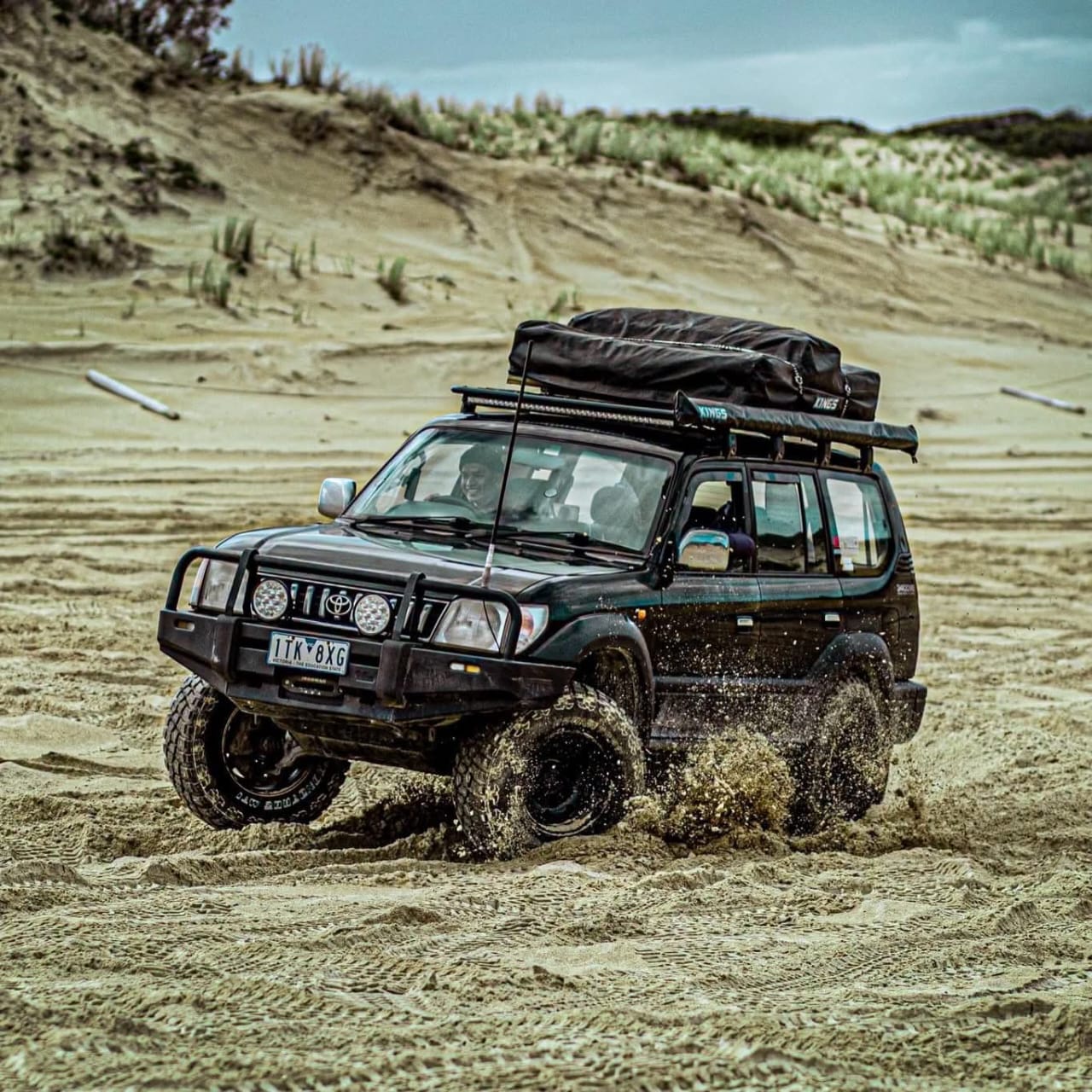
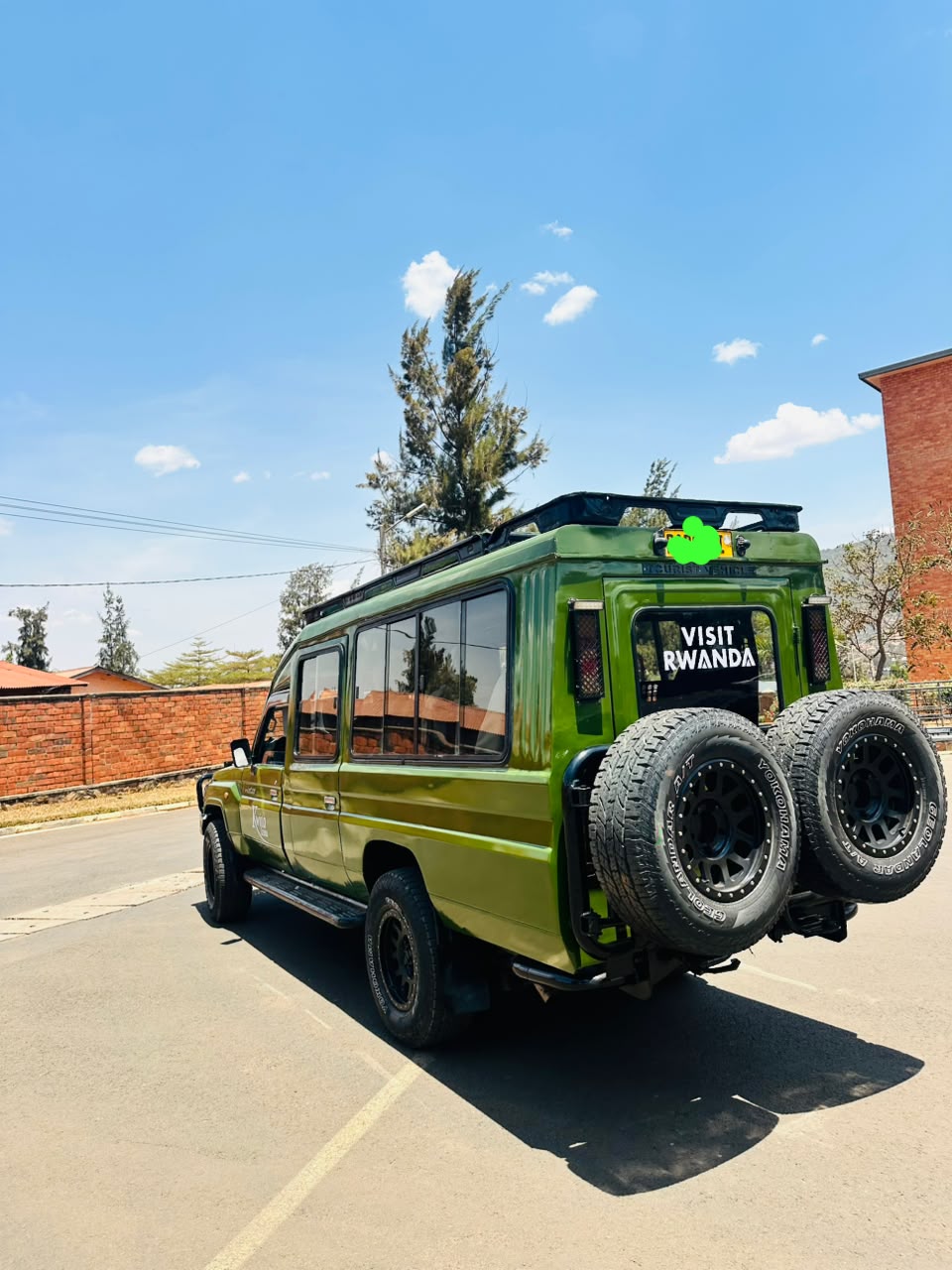
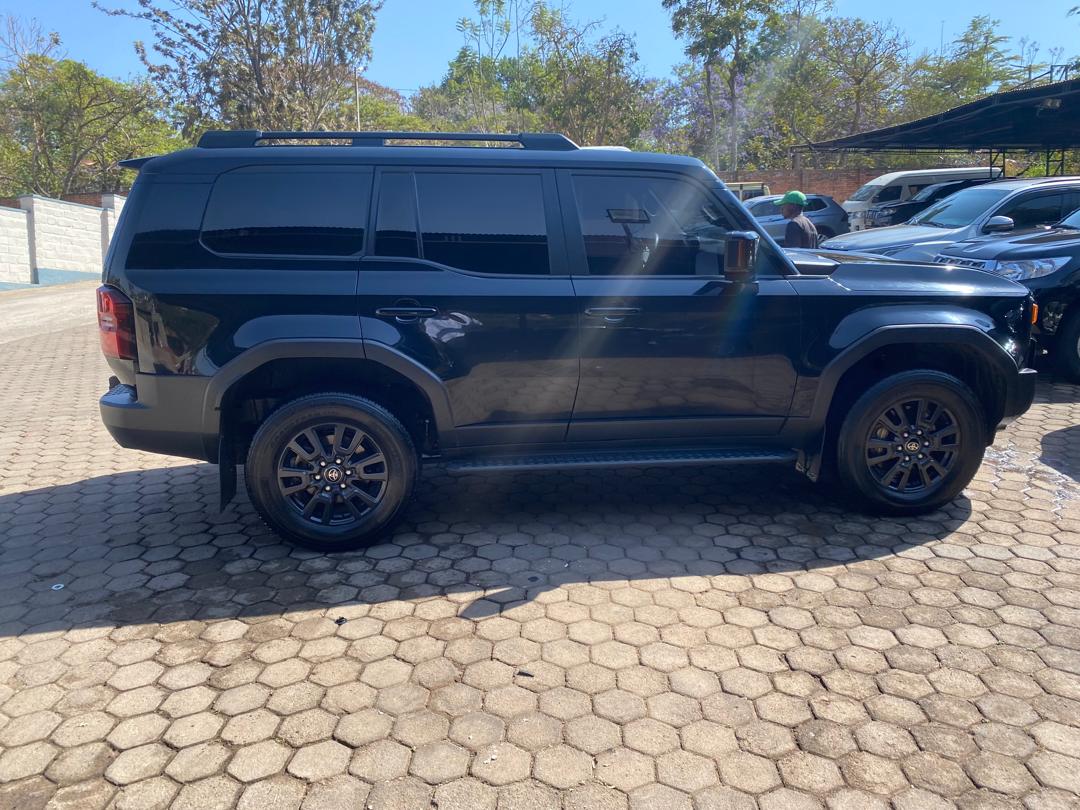
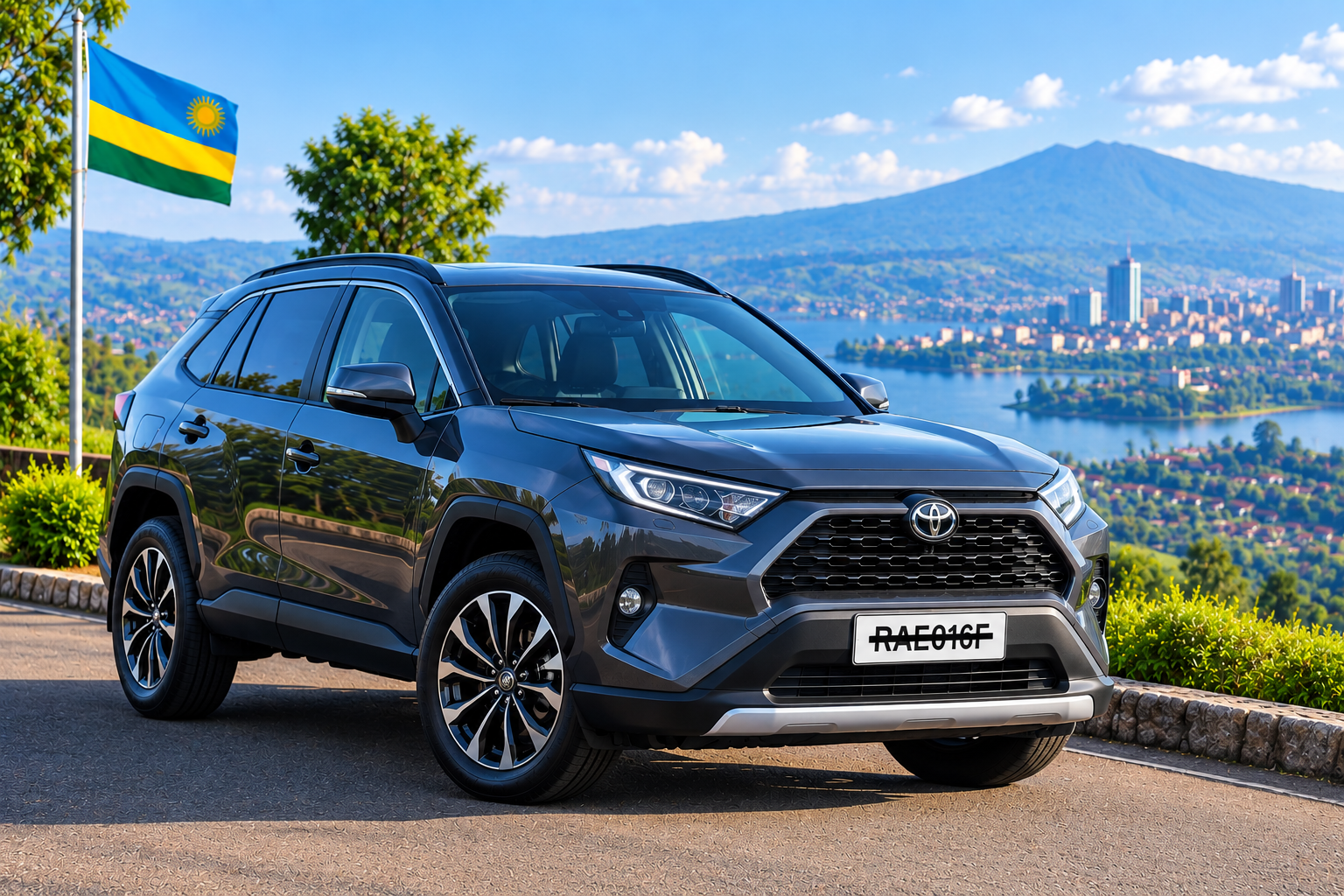
Planning a Rwanda trip and need a reliable vehicle for the season you're traveling in? Browse our rental options, from city-friendly cars for the dry season to rugged 4x4s built for rainy-season roads.